Nazareth – 13. Easter service at the Basilica

I didn’t find  anyone from the youth hostel who wanted to head into town that evening, so after an afternoon of looking around shops and reading a book in the lobby, I headed out and saw lots of people flocking towards the Basilica church.

This was the service for Easter Friday.
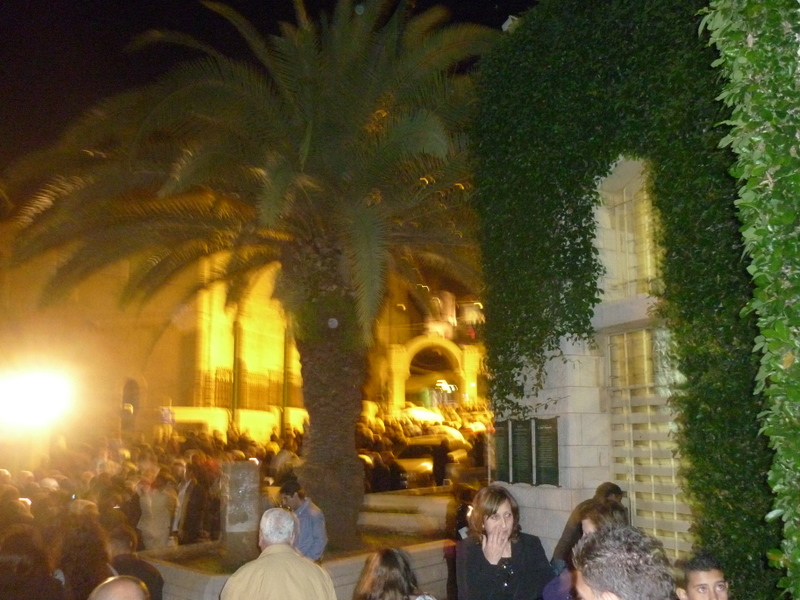

The outside of church seems very busy…
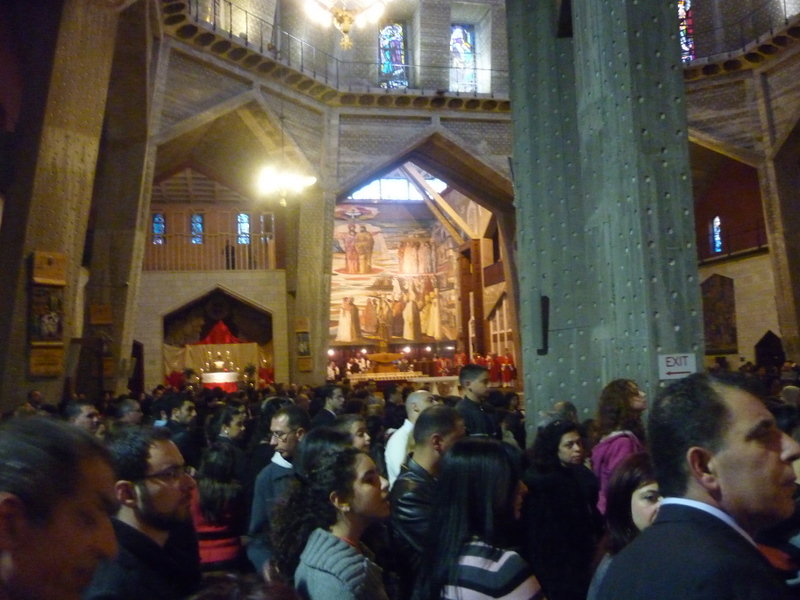
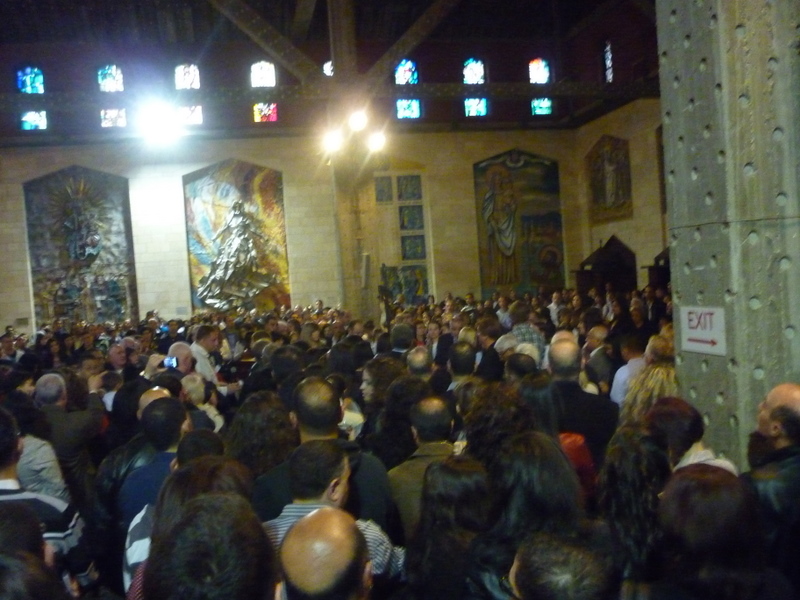
Inside, the place was packed!  all of the seats were taken, and people were in all of the aisles and blocking the door.
The surprising thing is the vast majority of people appeared to be young Arab Christians under 30 for the service, no foreigners as far as I could see.  I have no idea what was spoken in the service as it was all in Arabic.
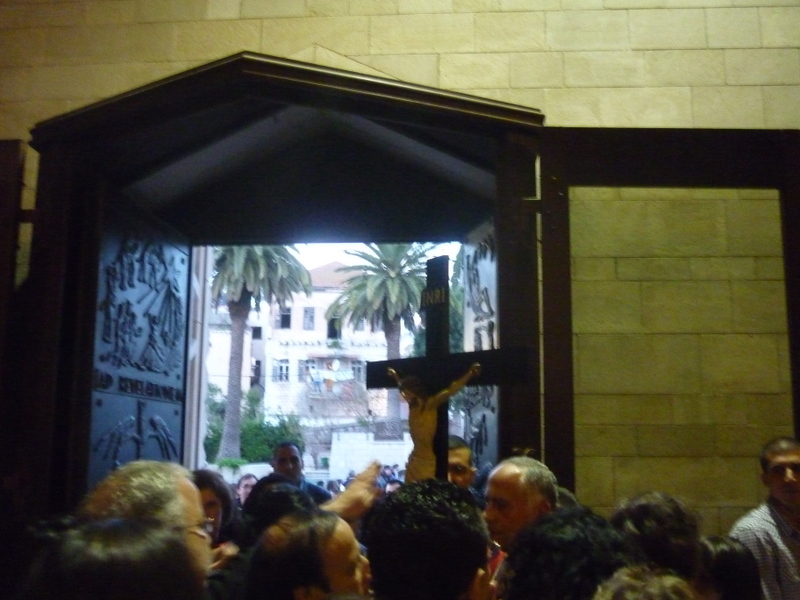
A statue of Jesus was brought out of the service at the end.

Outside there were lots of people who couldn’t get in the service, they seem very friendly and most spoke English, a lot of the Arab Christians had non-Arabic sounding names, ie: Simon.Musicians where getting together for a parade outside..  Hang on surely, these aren’t bagpipes??
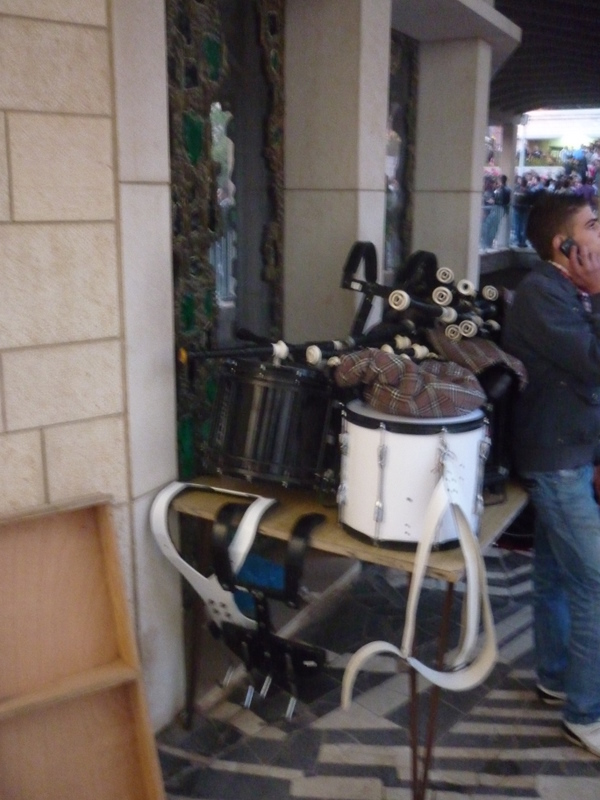
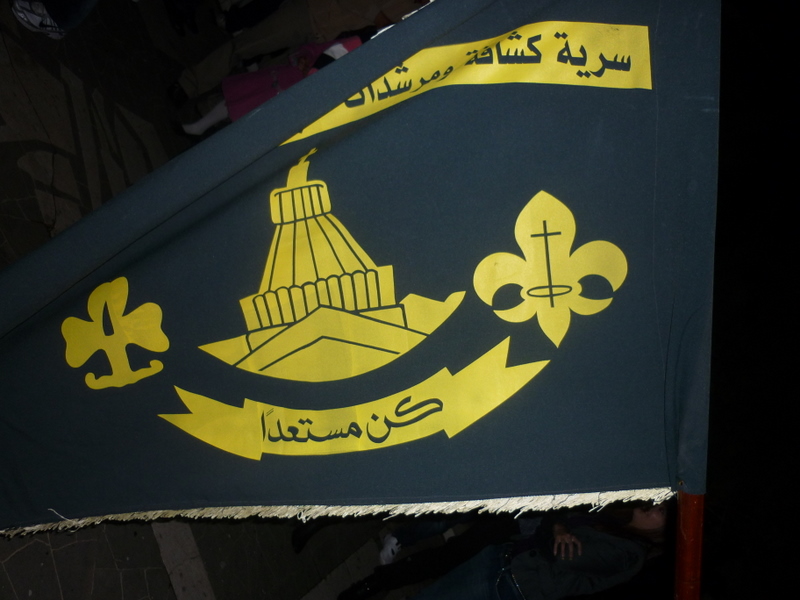
Whats this?  Its the flag of Christian Arab scouts of Nazareth.
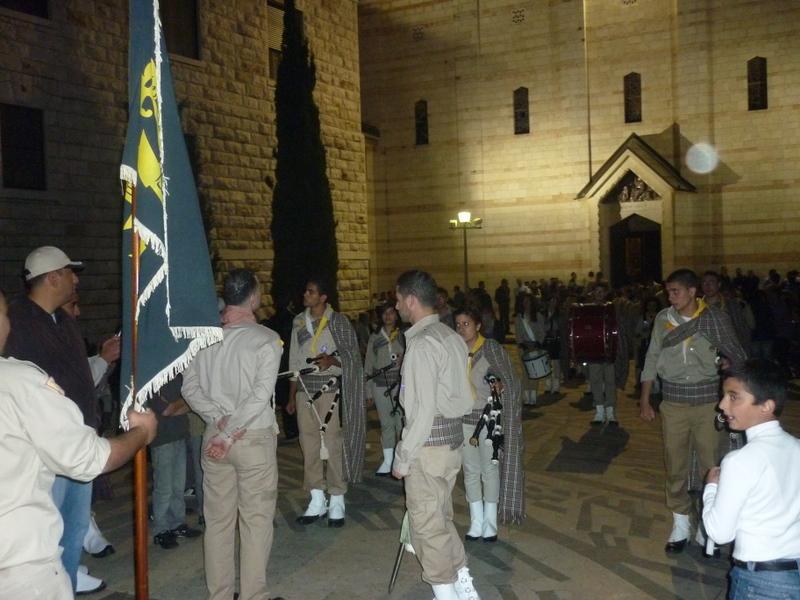
The scouts are getting ready to do their bagpipe playing at the end of the Easter service!   Actually an Arab friend of mine told me that bagpipes are not that uncommon in the Middle East, there are bagpipe players in Jordan who play for the King there.   Maybe the Arabs are wannabe Scots or perhaps during the British Mandate of Palestine period, Scotland influenced people then? 🙂
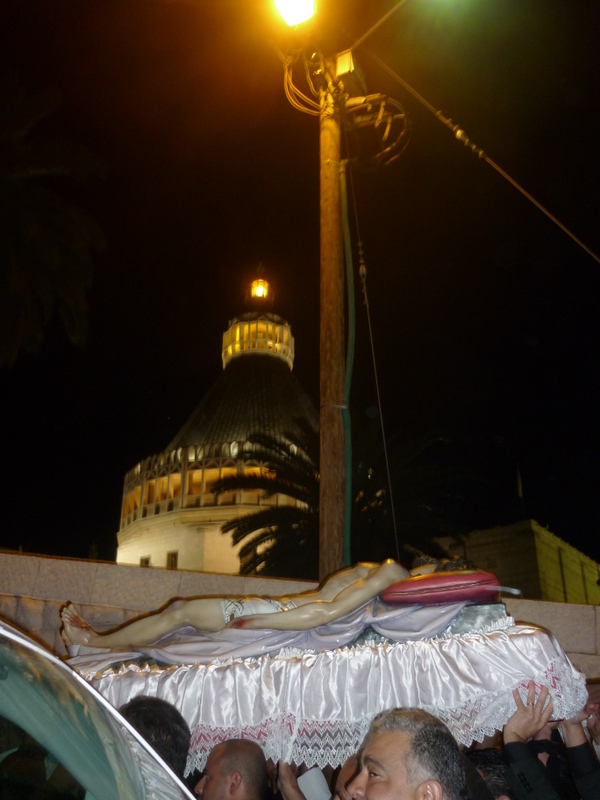
The statue is taken on a tour around the city.

So was the Easter service a nice yearly social knees-up or the were the mostly young Arab Christians there praising the Lord on the weekend of his resurrection in the very town where Jesus spent his youth?   I am not sure but this was an enjoyable end to my trip to Nazareth, and despite only 15% of the town being Christian it was good that Easter was celebrated (actually there were no chocolate eggs for sale anywhere)  and this didn’t seem like a big show for tourists as there simply weren’t any around the town.

Seems like the modern day people of Nazareth are proud of their city.

1. Arrival at the city2. Staying in the old city3. The modern day Nazarene carpenter4. Where Jesus first preached5. Religious vehicles in Nazareth6. Mary’s Well and the Bath house7. The precipice8. On top of the Precipice hill9. More old city streets and market10. The spice shop11. Churches from A to Z or Alpha to Omega12. The Basilica church13. Easter service at the Basilica
Nazareth – 12. The Basilica church of Annunciation

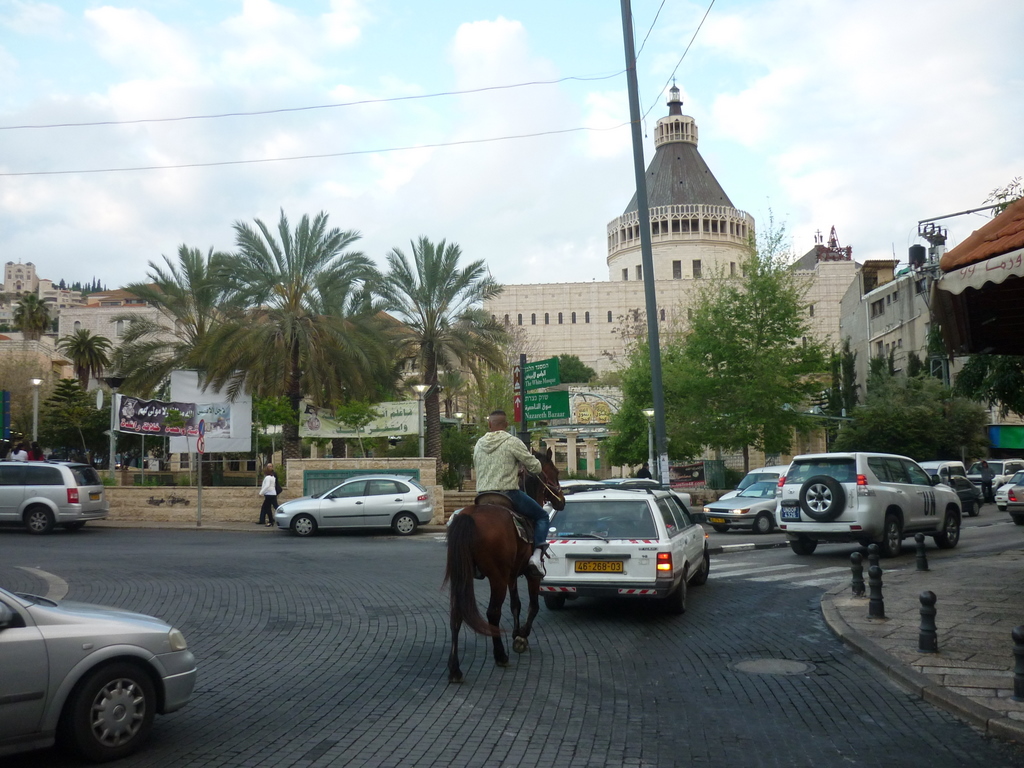
This is the famous Basilica church, it stands a centre point in the city, as one of the biggest buildings in Nazareth.

I didn’t see many Nazarenes on horses, only this one!  You can see the church more or less anywhere in the city, this tall turret is quite distinctive.
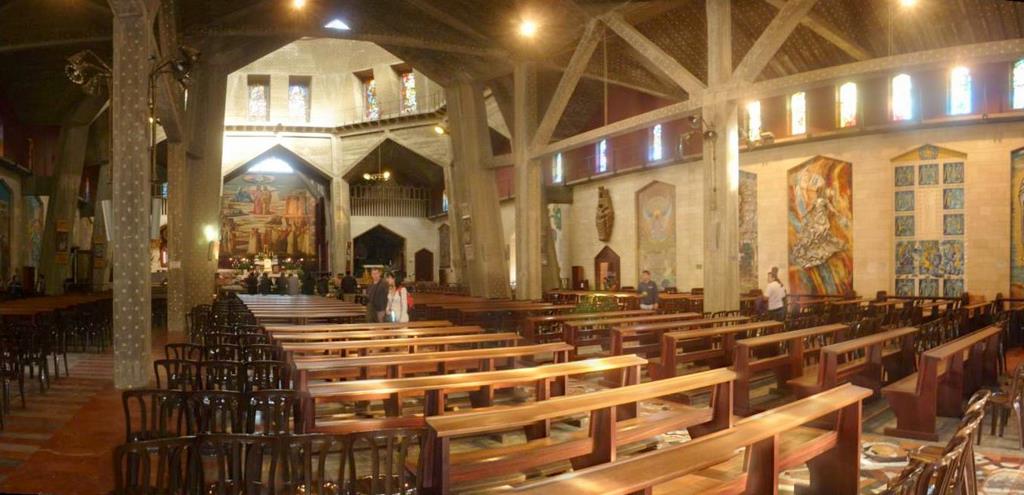
Built in 1969, the give away signs of the modern construction of this place is these odd dimples in the concrete structural support beams.   Other than that there are usual pews and decorations you would find in any church here.  I didn’t get to the dome up the top, I think this may be possible with this paid tours that happen on week days here.

Although Catholic, this place also attracts Christian visitors from Orthodox and Anglican backgrounds

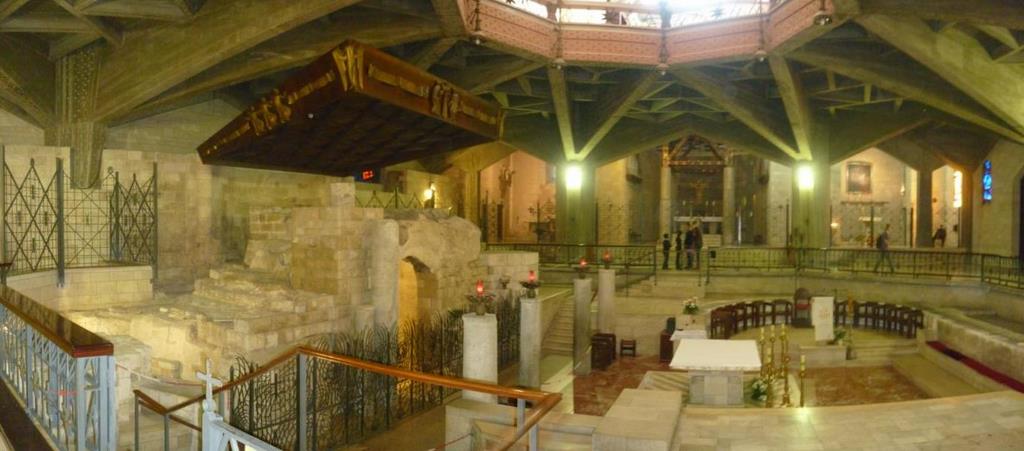
On two floors, this place is huge!!   This floor contains the Grotto of annunciation, ie: what’s thought to be the home of Mary.
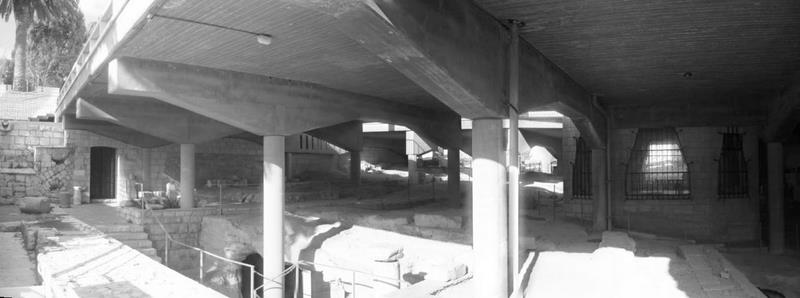
Underneath one of the walkways in the yard are more signs of ancient history under these support beams.

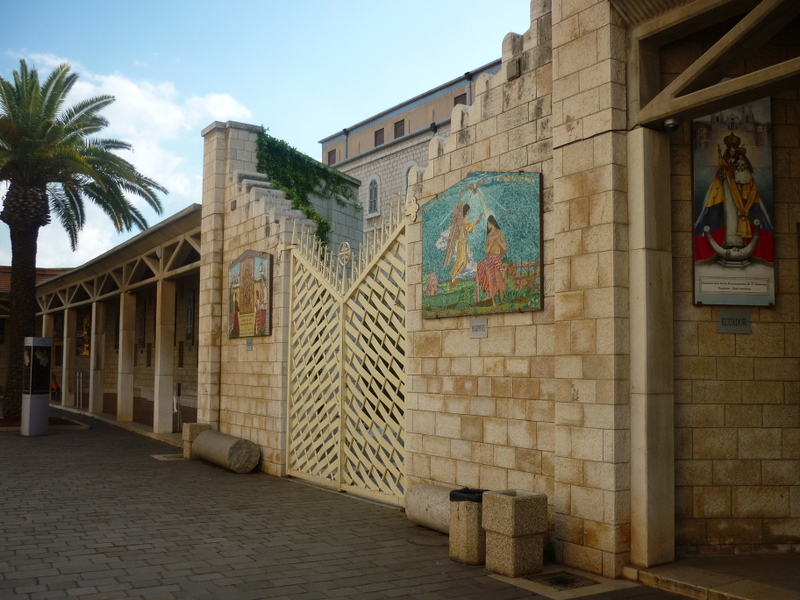
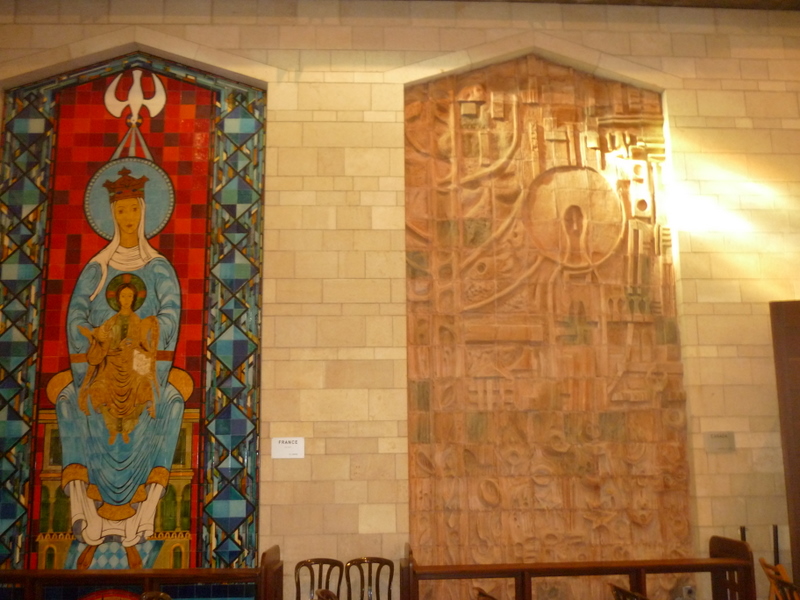
There’s no doubt the the Basilica is a fertile place for photographers!Here there are muriels dedicated to other countries, there are dozens of them all around the insides of the perimeter outside wall of the church,  like I mentioned a few articles ago, this is a kind of peace initiave I think, although seems to be mostly Catholic (ie: Ireland, France, Poland, Brazil etc) countries.

Lastly, as it was Easter whilst I was in Nazareth I thought I would check out to see all the crowds heading towards the Baslica, and I got several surprises there…

1. Arrival at the city2. Staying in the old city3. The modern day Nazarene carpenter4. Where Jesus first preached5. Religious vehicles in Nazareth6. Mary’s Well and the Bath house7. The precipice8. On top of the Precipice hill9. More old city streets and market10. The spice shop11. Churches from A to Z or Alpha to Omega12. The Basilica church13. Easter service at the Basilica
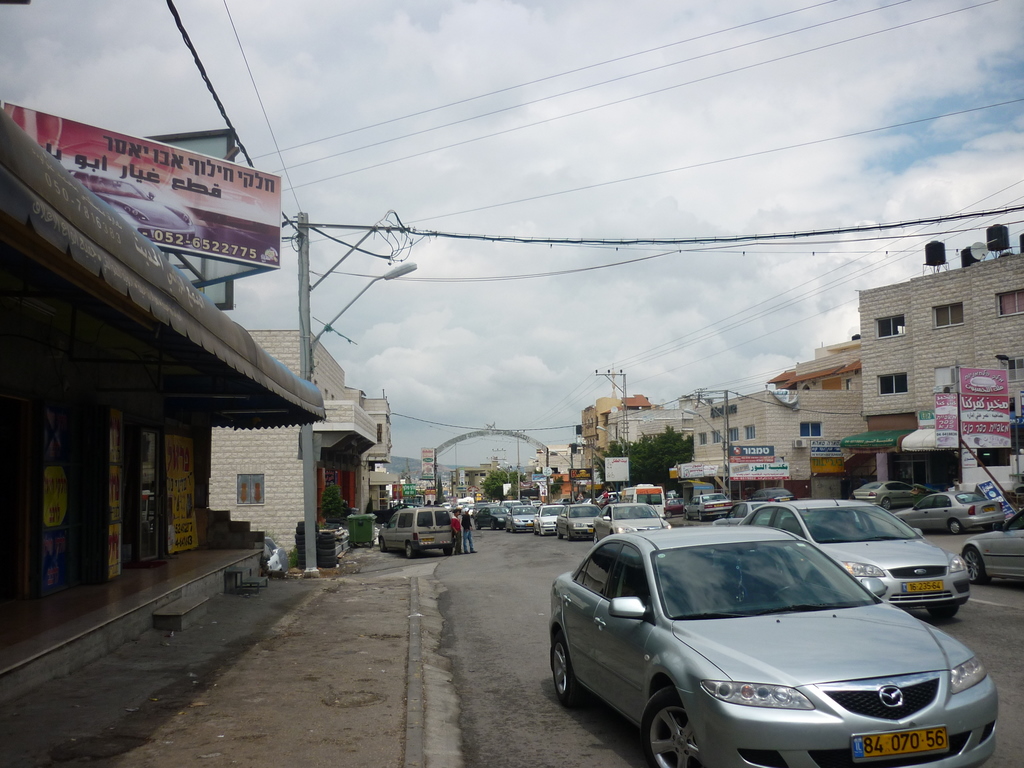
Cana – High Street

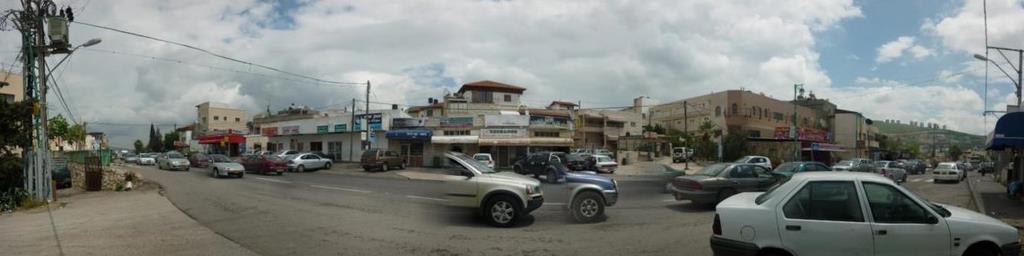
Cana’s main high street.  Like Nazareth, Jaffa and Akko, Cana is an Arab Israeli city, I don’t think any Jews live in this place, although the Galilee area is dotted with alternating Jewish and Arab places.

Getting here from Nazareth is easy from Nazareth, only a 6 shekel (£1) ride on a Sherut bus taking about 15 minutes or so.

Cana is also known as Kafr Kanna, due different spellings of Hebrew or Arabic names when you ‘Latinize’ them.   There is also a city called Qana in Lebanon also thought by some where Jesus did the miracle of the water into wine at a wedding.   Population is 17,000 people as of 2005, 83% Muslim and 16% Christian.

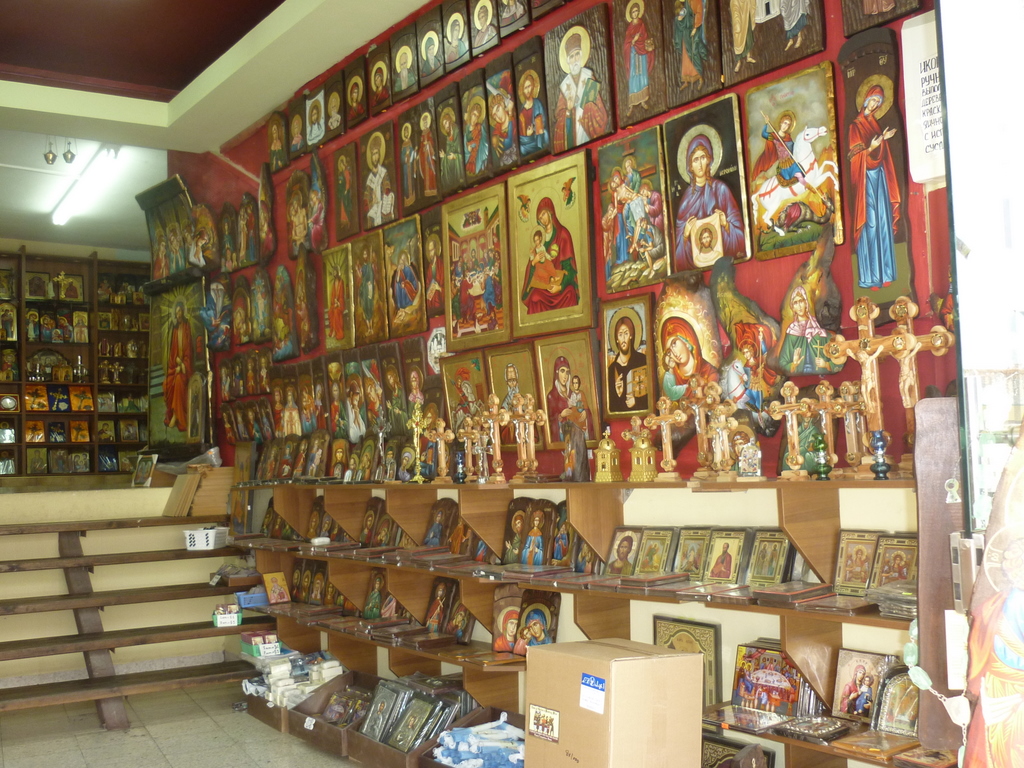
Brightly coloured pictures, often with guilded frames of images of Jesus, Mary and disciples are popular in churches I have seen all around the holy land.

They are not to everyone’s taste maybe, but all kinds of decorations are popular in middle east, especially looking at the beautiful coloured fabrics made by Arabs and Sephardic (ie: from other parts of the middle east or north Africa) Jews.   I actually think a lot of the artwork in these gift shops is actually quite nice.

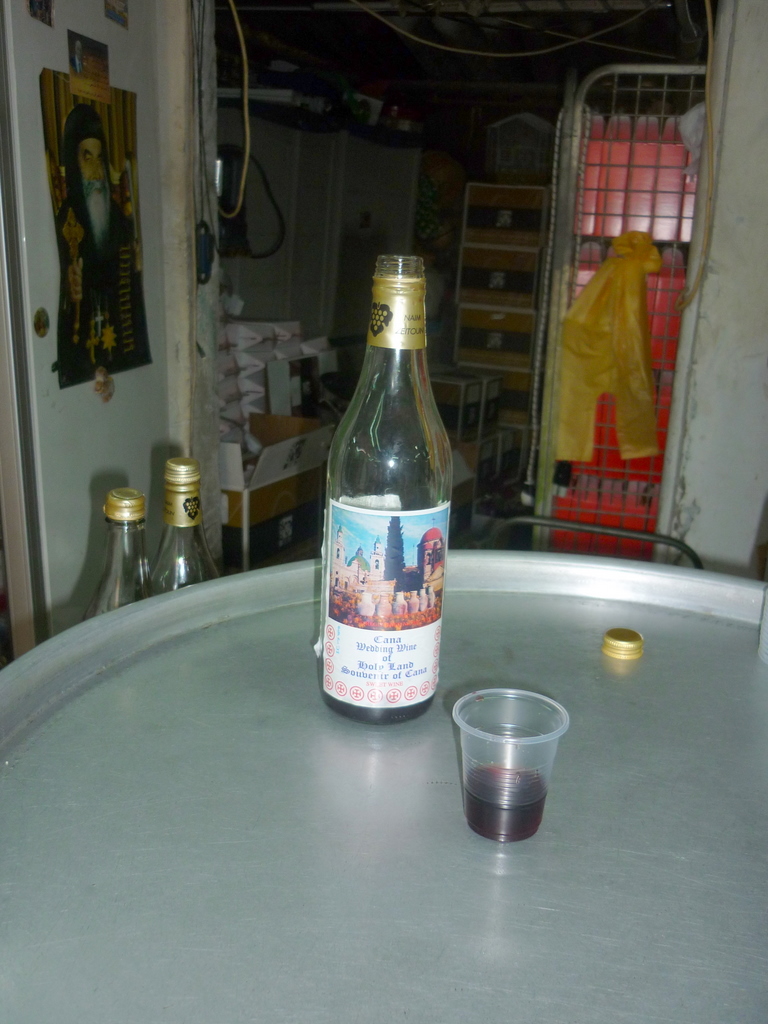
A lot of the gift shop sell wine, the Galilee’s vineyards produce a lot of wine in this country, and you find plenty in shops around here.  Did also see a few bottles of French wine as well though.

This store had samples to give away here for people to try.

Around the town, I only spent one day here, but just before I headed back on the bus, I caught a glimpse of this arch across the street…

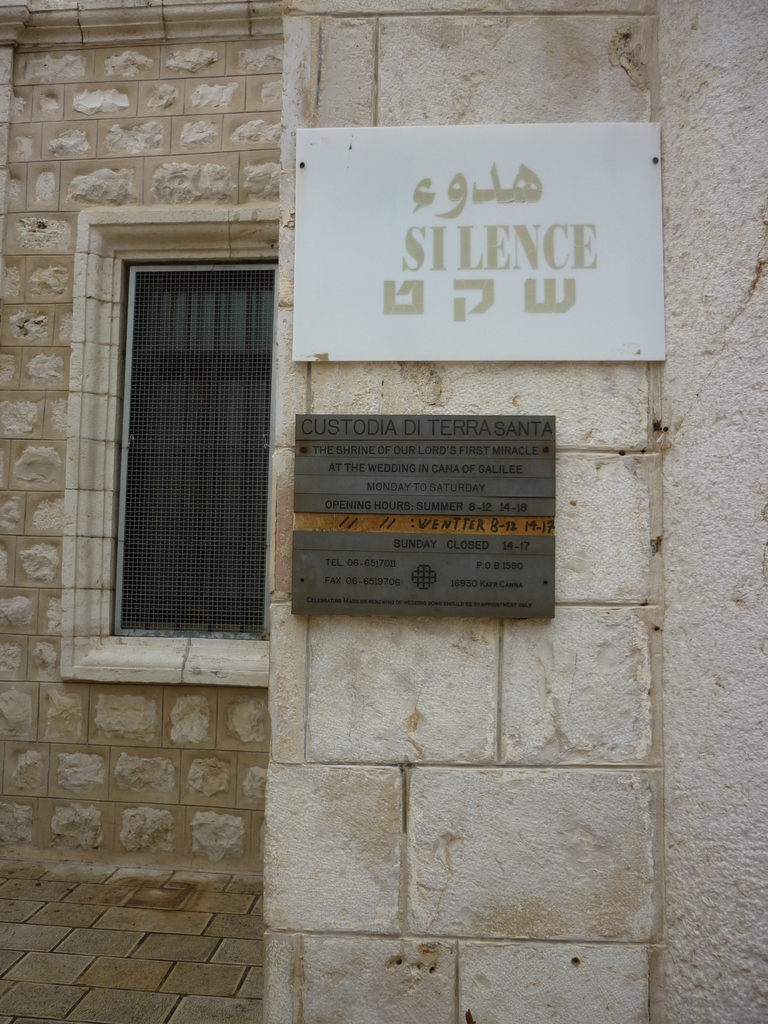
I also visited a church thought to be where Jesus was a guest at a wedding…

Cana –  The High StreetCana –  The Wedding ChurchNazarethMegiddo

Megiddo – The end of the world?

Just taking a brief break from Nazareth, I thought I would share an important place on the way up….

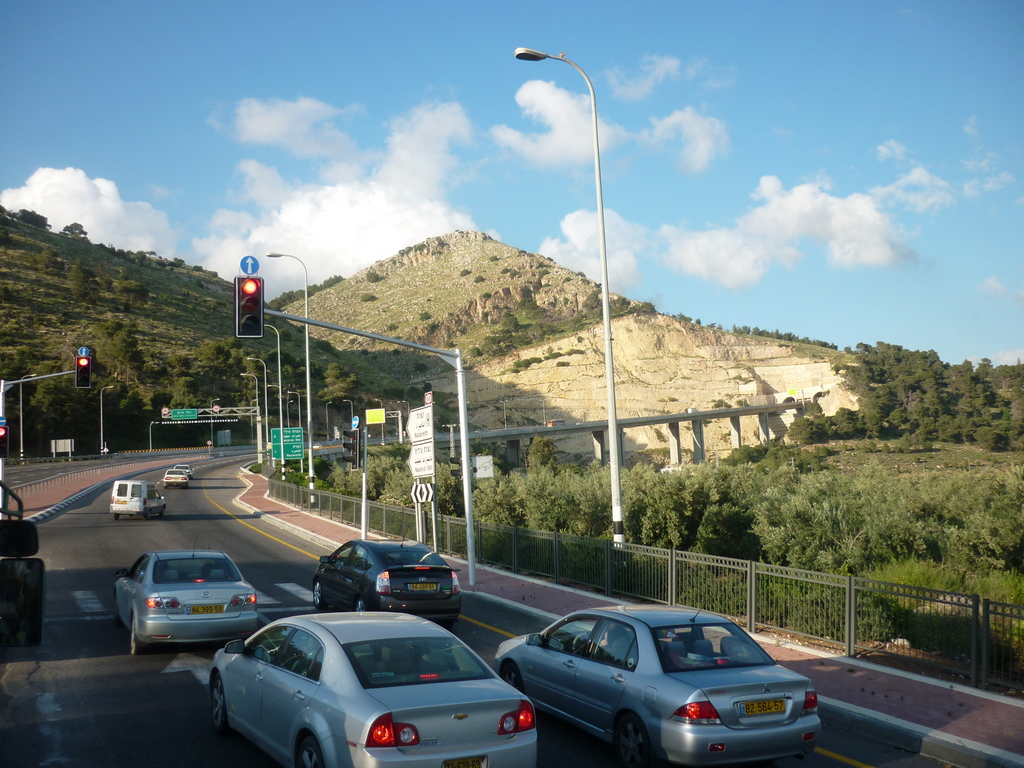
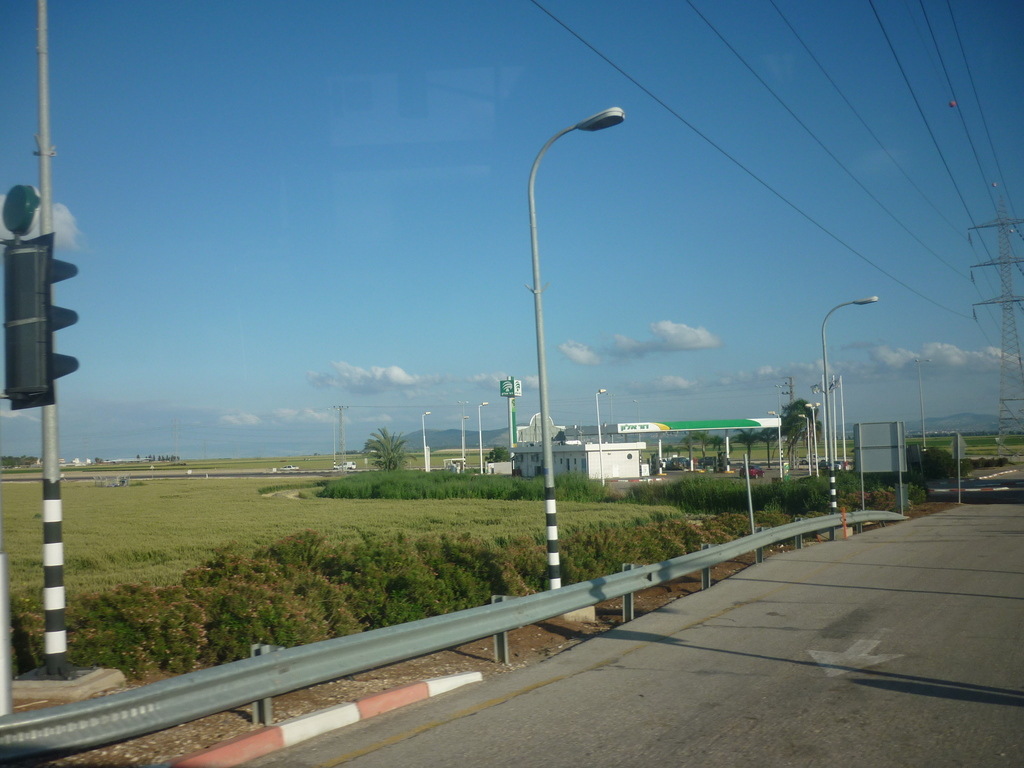
This road looks actually quite exciting as it goes along a viaduct into a tunnel in the side of a mountain to Nazareth, but the bus took a left at these lights.

But before I came to here on the bus went through the town of Ha Megiddo, which in the Greek; Armageddon as mentioned in Revelation , the place of the end of the world.

Its mentioned in Joshua, Judges, 1 and 2 Kings and first Chronicles.  There has been previous battles here.

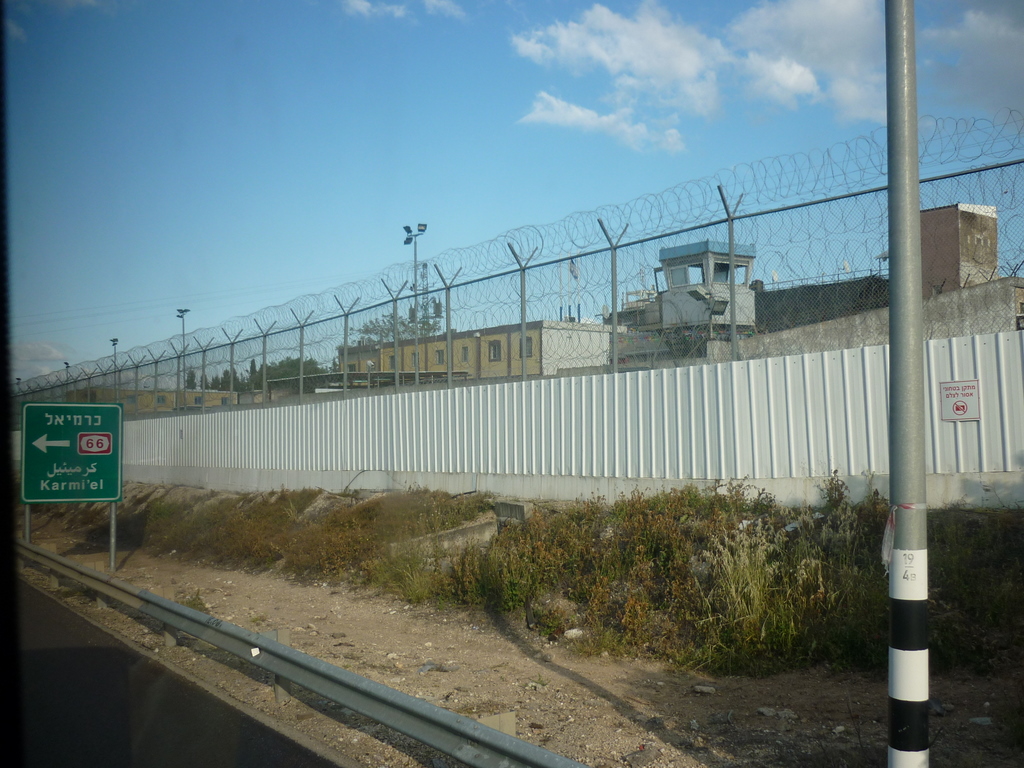
This is a prison in the town of Megiddo, I think it contains long term offenders, ie: terrorists.

A little while ago, some archeological remains were found underneath (hopefully not from convicts trying to tunnel out!)   showing some very significant history of early Christianity underneath the prison.  Check out this link:- http://www.mfa.gov.il/MFA/Israel+beyond+politics/Megiddo+Prison+dig+yields+rare+3rd-4th+century+Christian+structure+9-Nov-2005.htm

Some people have said that this find is important enough to tear down and move the prison to somewhere else maybe.

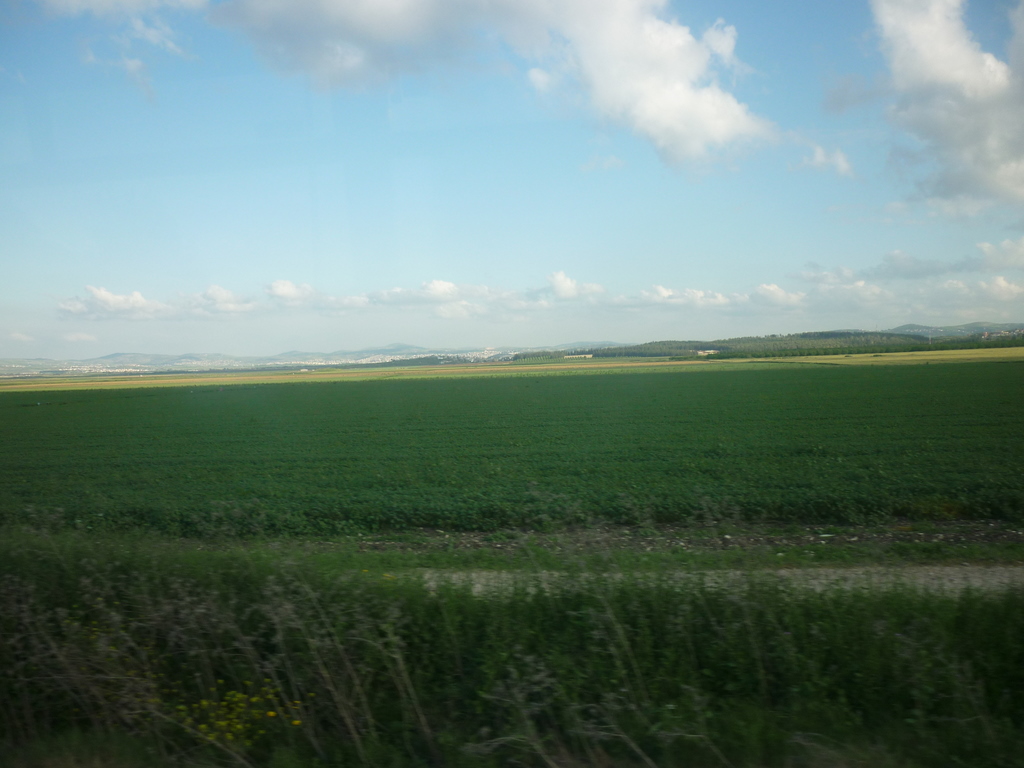
These fields look nothing that special, but in the middle is where the last war will be fought it seems.

Petrol station if you want to get fuel, go to the loo, get a can of Tango and a choc-ice before the end of the world.

Revelation 16 : 16 Then they gathered the kings together to the place that in Hebrew is called Armageddon.

Now Revelation is a very symbolic book and probably the most difficult part of the bible to understand, but its quite clear this is the place outlined.

Many people I speak to think that Jesus’s return is not far away, I see more people slandering God, Jesus, Israel, Christians and the Jewish people today than in the past, here in Megiddo is a place where you want to be on the right team when that battle happens.

Nazareth – 6. Mary’s Well and the Bath house

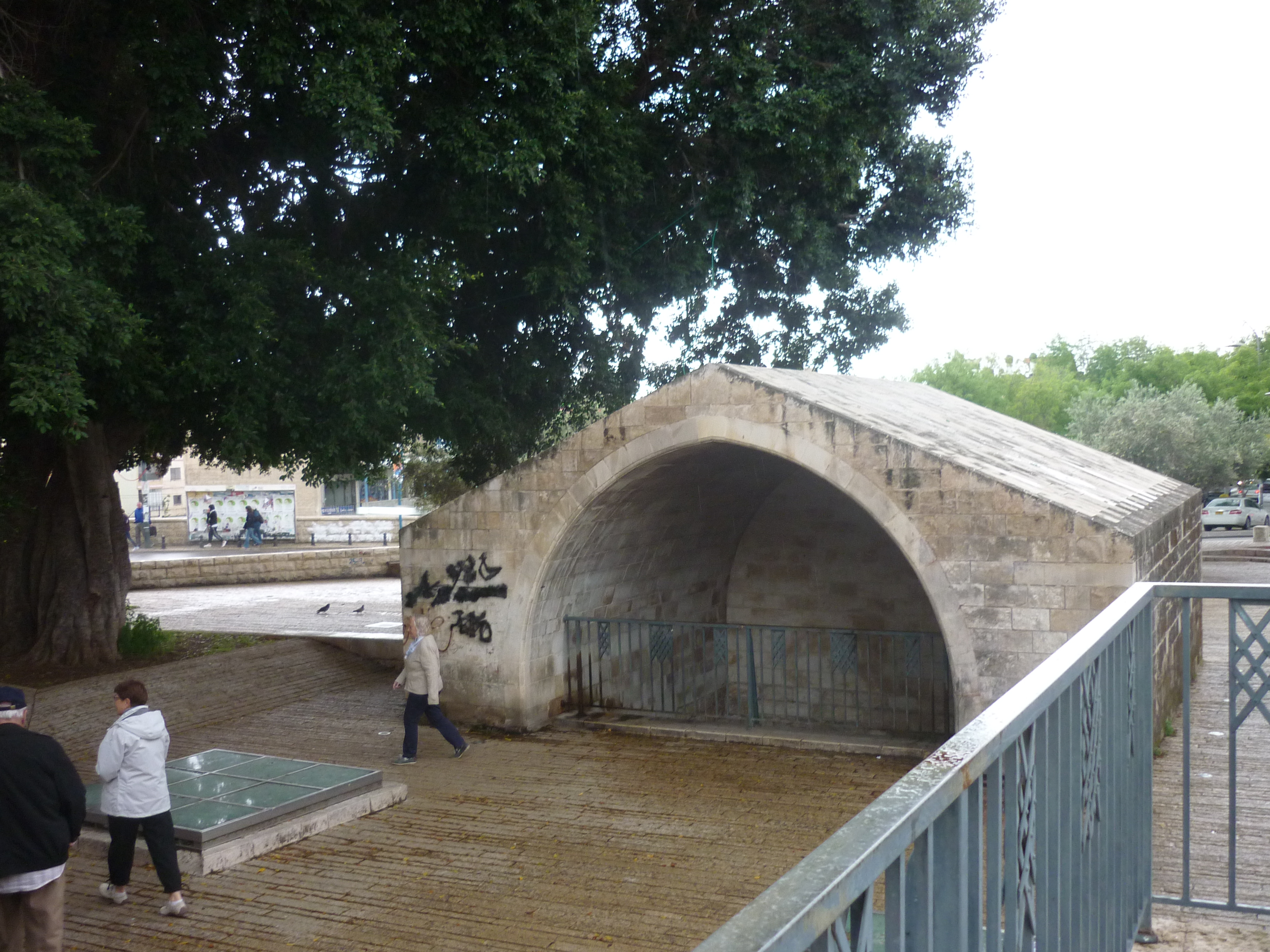
The well sits right next to a busy junction and is close to the Greek church of annunciation.

Its meant to be the place that Mary was drawing water when the angel told her she was to be with child.   There isn’t anything in the scriptures that mentions this arch specifically though.

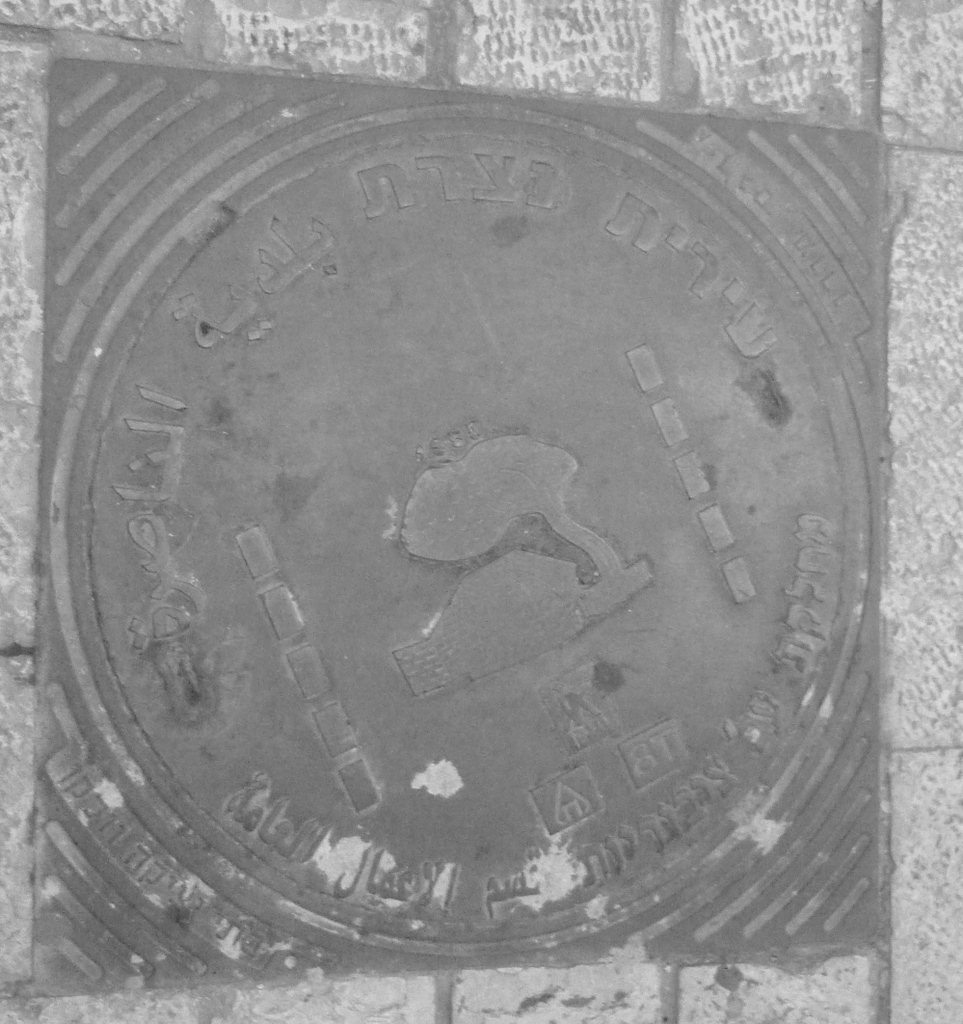
In fact Mary’s well is an iconic part of Nazareth as it appears on official government letterheads and logos, including this man hole cover 🙂

The back of the monument.

Imagine if you owned a small shop and you did some maintenance on the building to find an ancient bath house was underneath that may date from the time of Jesus?   Thats what happened the owners of this building!   I didn’t visit this place as its only by tour, so I would have to wait and find some other people to share the NIS120 fee to visit.   Looks interesting though!!  http://www.nazarethbathhouse.org/en/

1. Arrival at the city2. Staying in the old city3. The modern day Nazarene carpenter4. Where Jesus first preached5. Religious vehicles in Nazareth6. Mary’s Well and the Bath house7. The precipice8. On top of the Precipice hill9. More old city streets and market10. The spice shop11. Churches from A to Z or Alpha to Omega12. The Basilica church13. Easter service at the Basilica

Nazareth – 3. The modern day Nazarene carpenter

Before I came here, I wondered if there were practicing carpenters in this town now like Jesus’s earthly stepfather.

Turns out woodwork is very much part of Nazareth’s businesses today, although it is an Arab city – there are Jews that live in a closeby town called Nazareth Illit (‘Upper’ in Hebrew) which is a modern place only around since the 1950s.

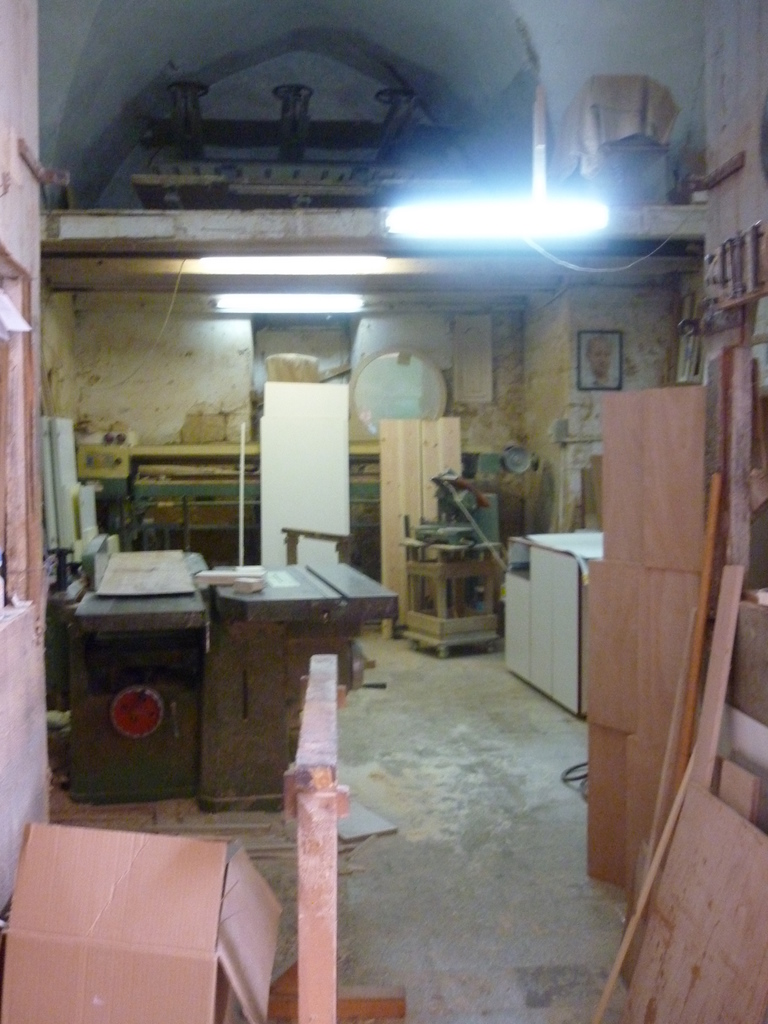
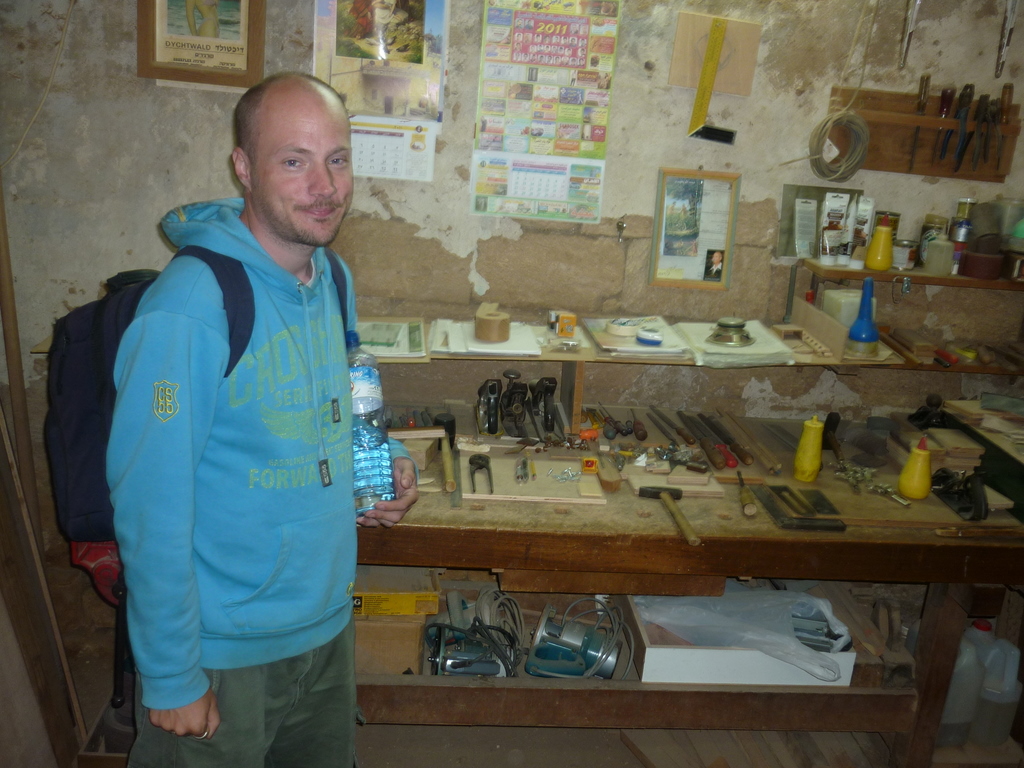
This is one of fourteen carpentry shops, fairly standard sort of methods and tools, with lathes, routers and jigsaws.

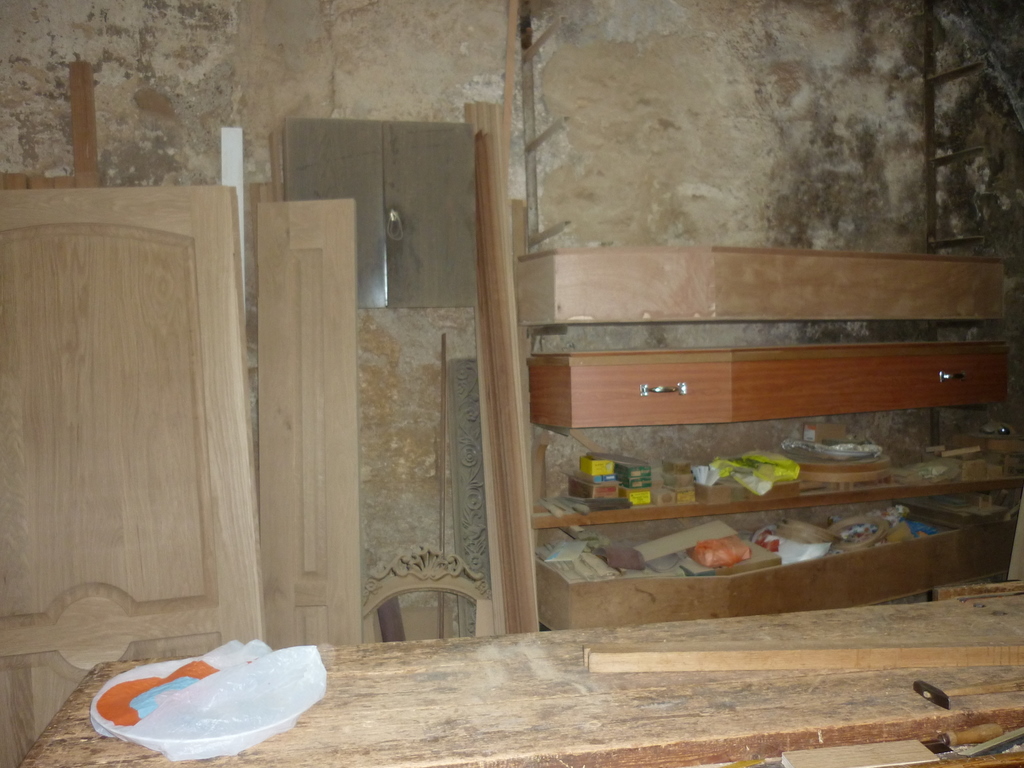
Usual kind of woodwork, interior doors, shelves, coffins (!) etc.

The panels on these doors look extremely precisely done.

The wooden nativity sets popular with tourists made of olive wood often seen for sale tend to be made in Bethlehem though.

1. Arrival at the city2. Staying in the old city3. The modern day Nazarene carpenter4. Where Jesus first preached5. Religious vehicles in Nazareth6. Mary’s Well and the Bath house7. The precipice8. On top of the Precipice hill9. More old city streets and market10. The spice shop11. Churches from A to Z or Alpha to Omega12. The Basilica church13. Easter service at the Basilica

Easter Sunday – Resurrection day at the tomb

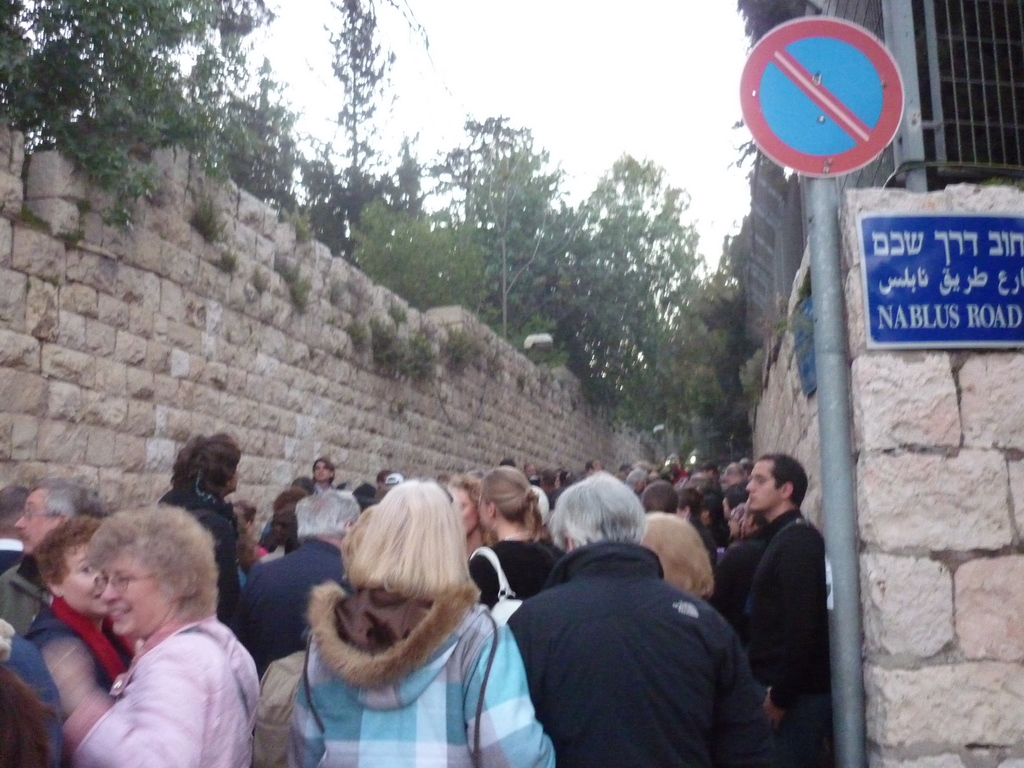
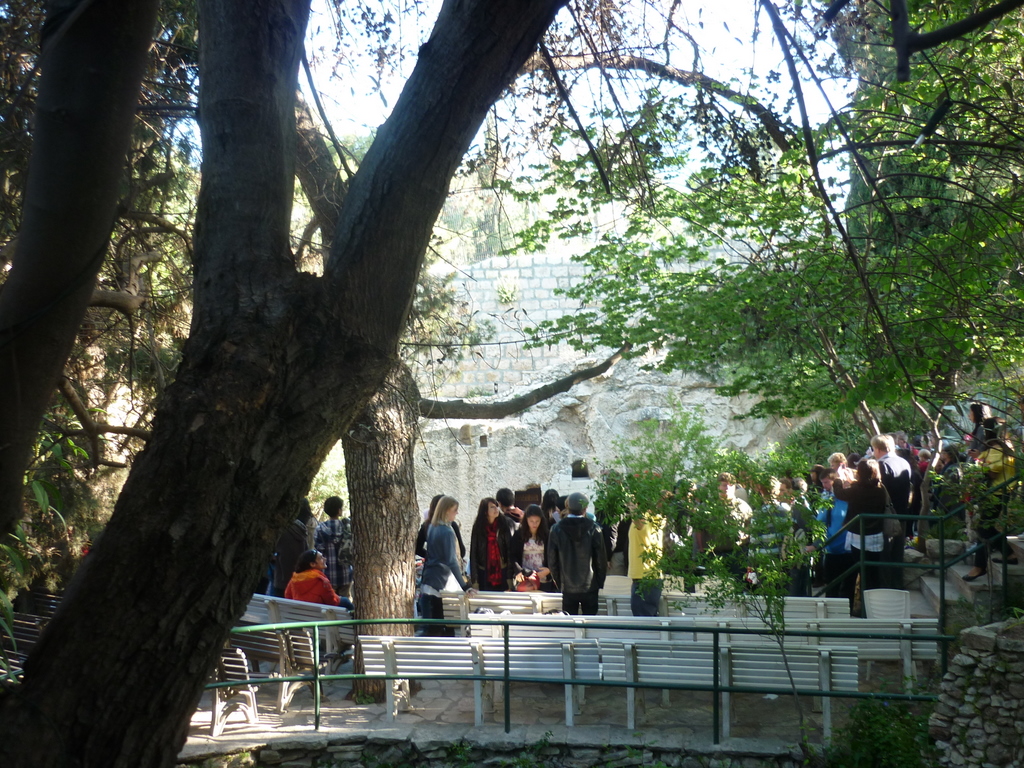
My phone woke me up at 4.45am today on Easter Sunday morning, a silly time indeed, but I needed to leave just after 5 to get to the other end of the city for a special event with people churches all over the city starting at 06.00.
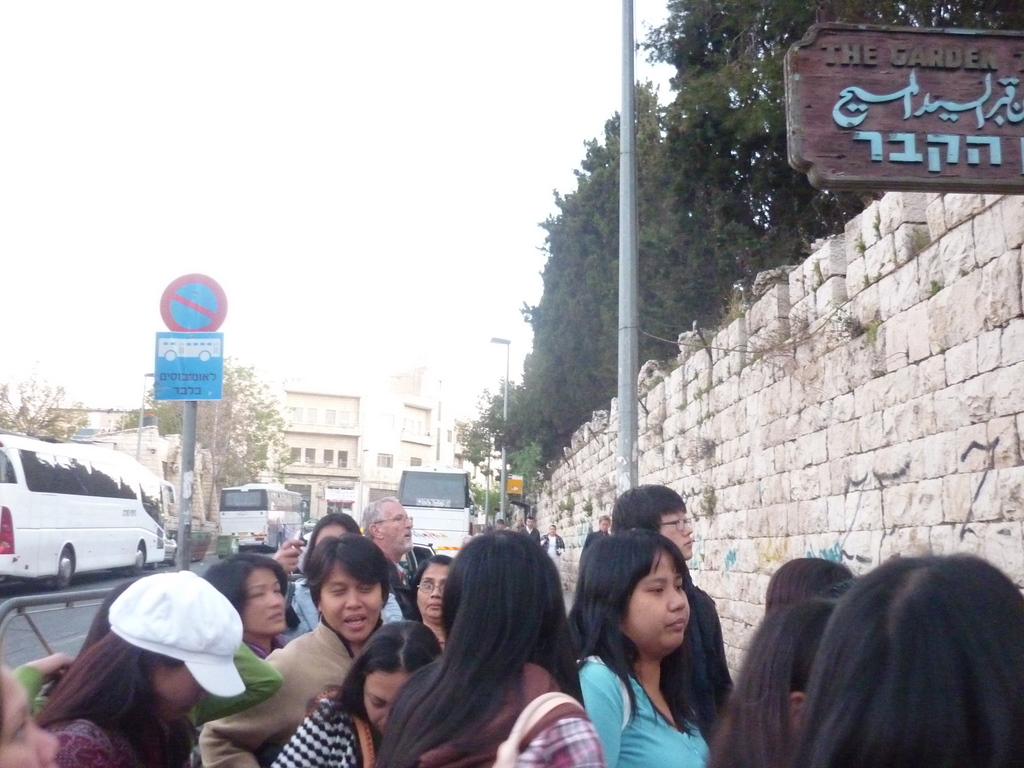
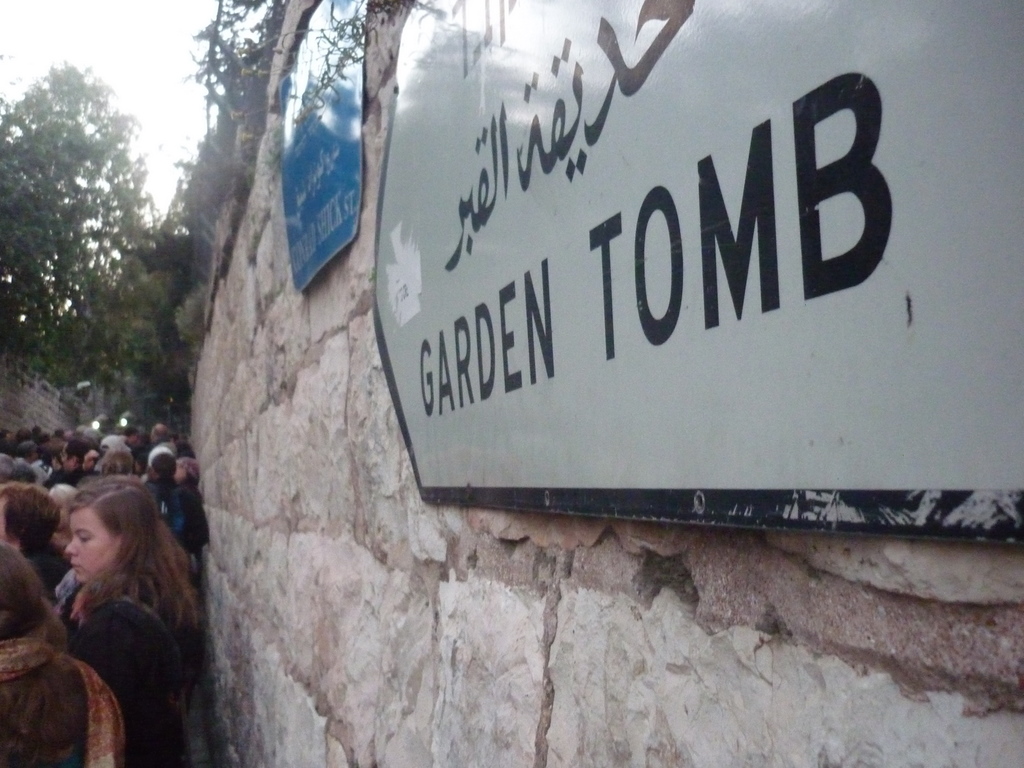
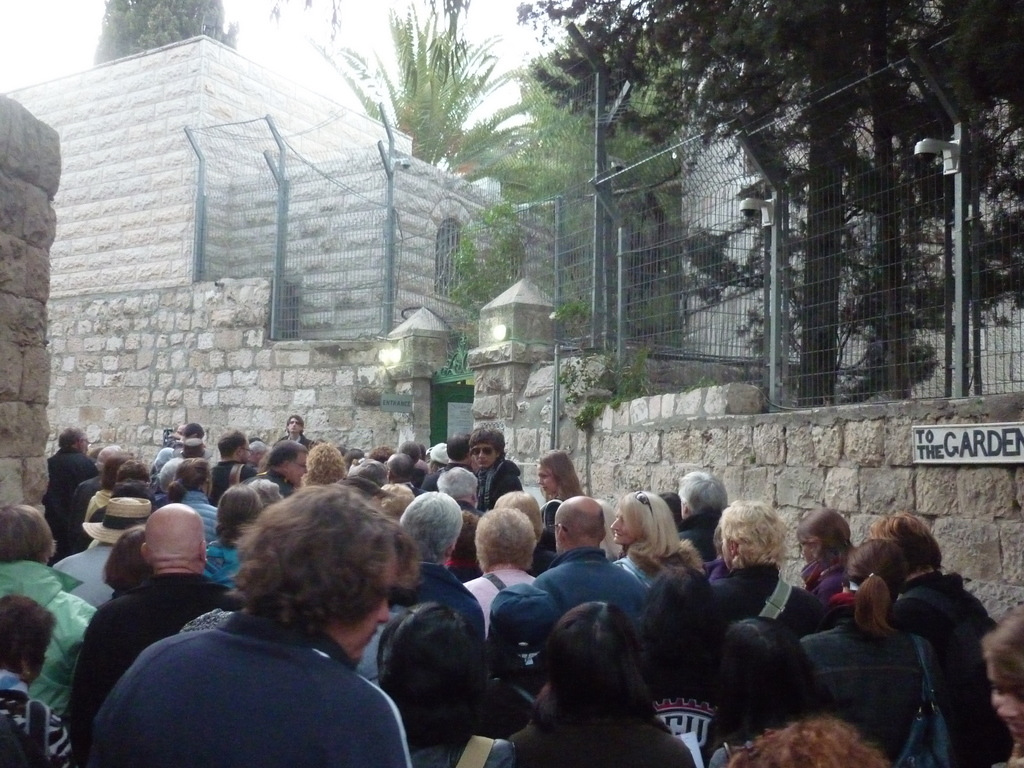
Lots of people are queuing outside….

Looks like people lining up for the sales (sunday is a regular work day in Israel) or going to a concert of some kind….

Aha, its starting to become clear now….

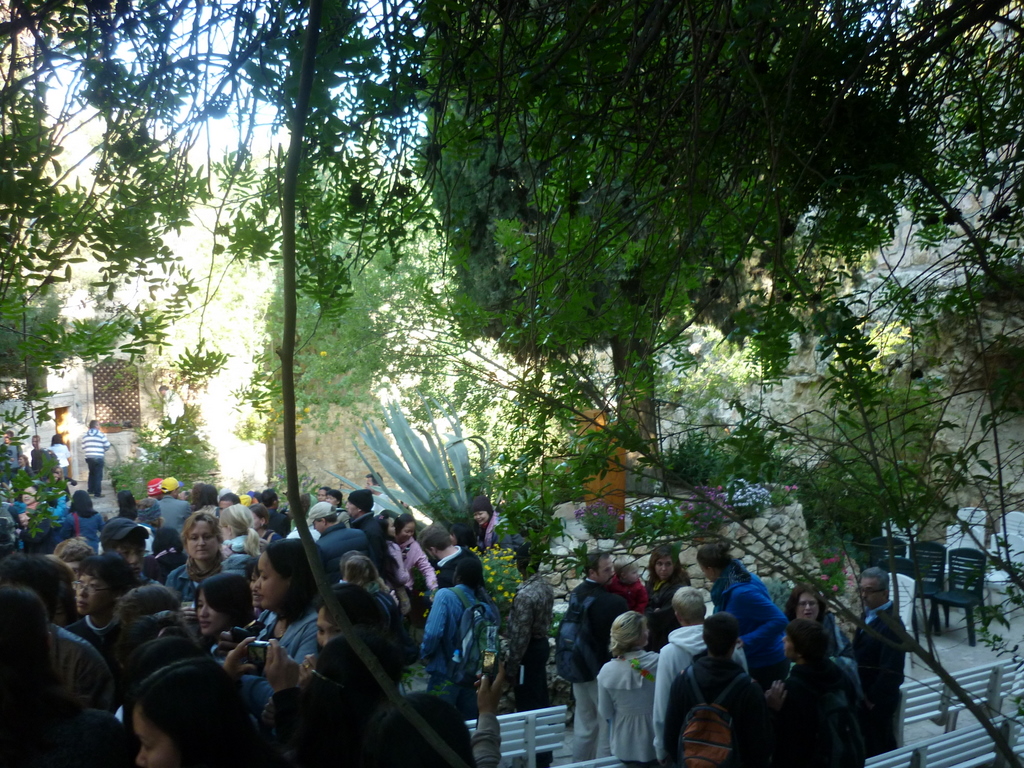
This was a special place to celebration of Jesus’ resurrection at the very place mostly likely to have been buried, but most definitely risen!

Really good service from a speaker I have not heard from before, and some great worship music from my (King of Kings) congregation.

It did mean that that leader speaking, the worship band and the tomb itself were hidden from view as there were bushes and trees in front of where I was sitting thought!   I would have a guess that there was about 2000 people crammed into the garden.  About half of the people I would guess are Christian tourists on a short holiday,with the remainder being Israeli believers and foreign Christians like me volunteering in the land.

Finally a quick glimpse of the tomb itself as people are leaving.

This was a memorable day to spend Easter Sunday.  I missed this service last year as I didn’t wake up in time!!

Funnily enough, two years ago I was working for an Israeli software company in Southampton UK, there we were given a chocolate egg by our bosses as an Easter present!  Also Pesach was mentioned as well as the Jewish holiday is the week before Easter.

Next: My journey to Nazareth and Cana to see Jesus’ childhood

Early Christian book with metal pages found in Jordan

An ancient book with metal pages, possibly an ancient artifacts of early Christianity has been found in Jordan:

http://www.bbc.co.uk/news/world-middle-east-12888421

Wonder if Google could document this and put in the web along with the Dead Sea Scrolls they are planning to publish this year?

From Karmiel to Mount Carmel

I stayed with a friend in Karmiel whilst on my journey around northern Israel, it is a little tricky to get there as bus times are a bit hit and miss, requiring a journey at Tel Aviv, Haifa, Akko or Tiberias.   The railway network doesn’t cover the greater Galilee area.

Before heading to Dave’s flat, I saw a fox outside.   He looked a bit different than a common British garden and dustbin explorer.   This one was grey rather than brown and red.   Sadly you can really only see his eyes glowing here.   Hes not scary though.

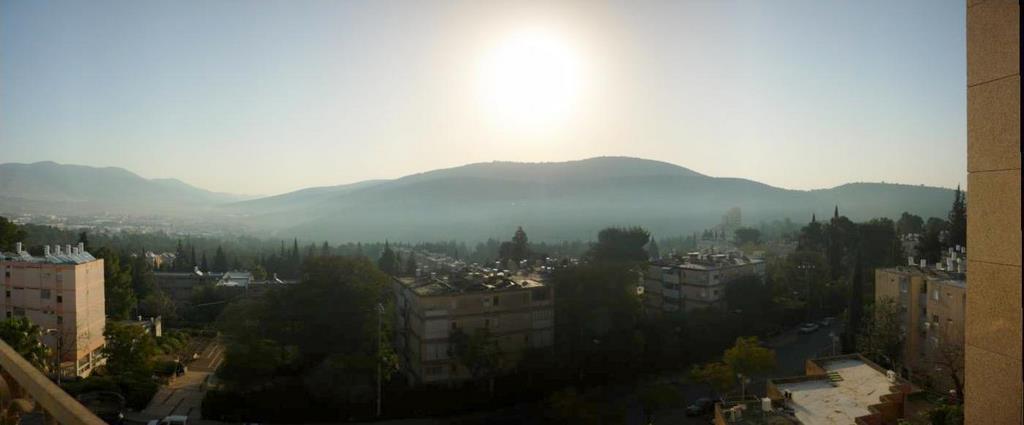
The beautiful, mostly ex-Russian community of Karmiel is very clean and tidy with well kept gardens and trees by every street junction.

Waking up in the morning I was greeted by bird song.

Whilst at the north of Israel, I got a chance to go with some people to a church close to Karmiel.

Only a few months ago there was a devastating fire that affected this place resulting in deaths of prison workers scrambling to get people out of the jails.

As this a short distance from Mount Carmel (two different places with similar sounding names) close the where the prophet Elijah went to.

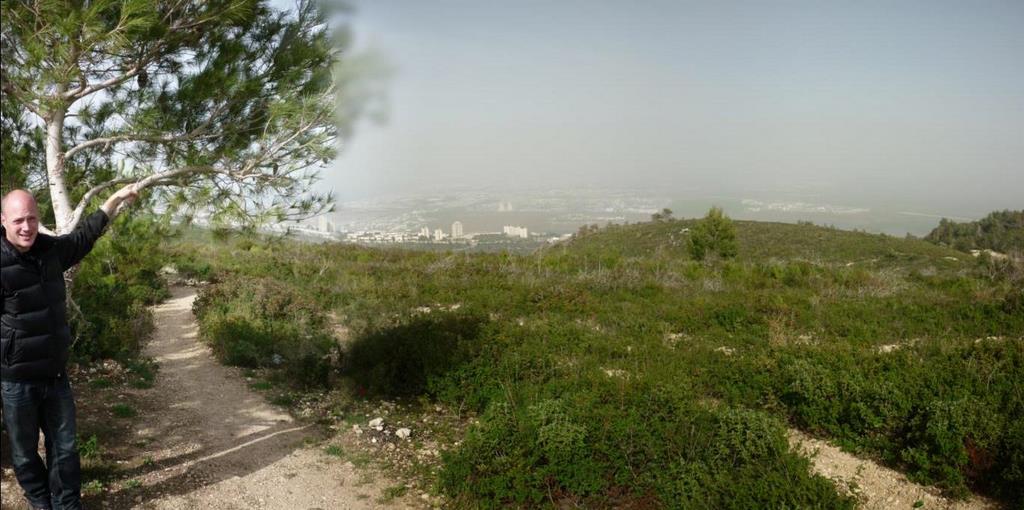
This church is on the outskirts of an Arab village on top of this mountain overlooking Israel’s third largest city Haifa.

Where actually this one isn’t the closest to Karmiel where was staying, it is one hours drive away, it was worth it.

There is some beautiful views at the top of a steep hill which requires negotiating around some zigzag bends to get up there.  We would of been late, so thought we would do some photos on the way back down.

The church has the service in three languages, English, Hebrew and Russian, some of the Russian Israelis who don’t speak English or Hebrew had some of radio headsets I have seen at quite a few churches now.   There are also a few Arab believers here.

At the end I only got a quick chance to speak to people including the senior pastor David Davis, I was really impressed with this church and mentioned to him about some Jewish believer friends who had moved from the UK and Germany, he gave me a copy of his book the Road to Carmel to give to them, although I have read it myself, its really encouraging testimony, and on how he got to Israel, and worked with actors and people in the theatre industry and drug users in both the US and Israel.

I highly recommend checking out this congregation for both Israeli believers or visiting foreigners looking for a congregation whilst checking out northern Israel.   Its also an example of God working with reconciliation between Jews and Arabs.  I regret not being able to get a nice picture of the outside of this church which is how you imagine a congregation could of been back there with large archways all the way around the front, this church was built in the late 1990s.

www.carmel-assembly.org.il

Some amazing views, however not the amazing ones seen earlier driving up some zig zag roads as it was now foggy in the afternoon!

After another bus from Karmiel to Akko, to get a train to Jerusalem, which was a long journey, the bus station gets interesting views of the surrounding hills here.

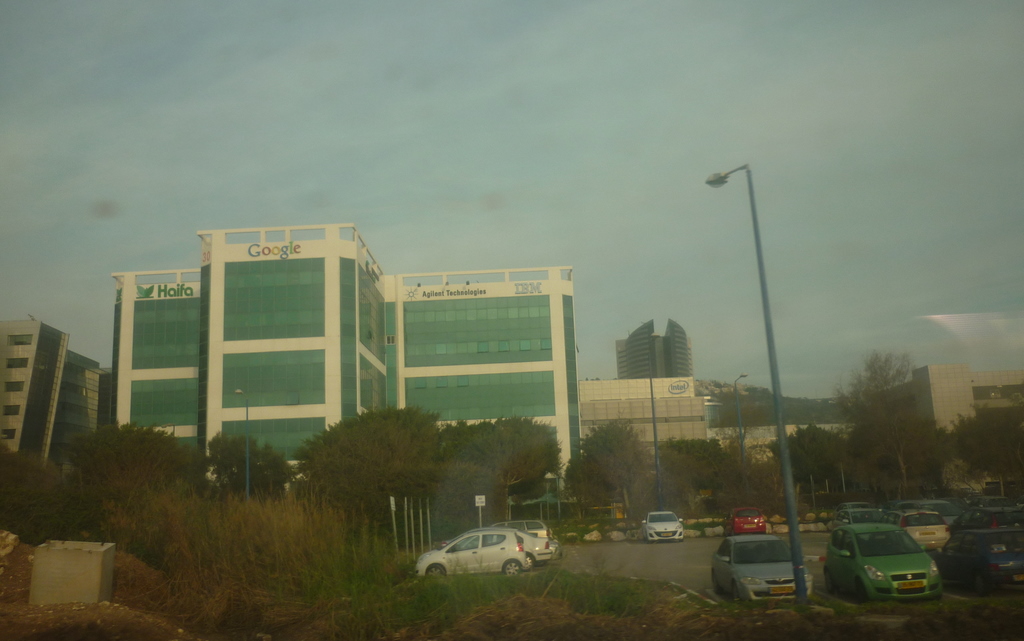
On the train I got a glimpse out of the train a remainder of some famous names in IT that are here.   This time I get to spy on Google!  Ha ha ha!

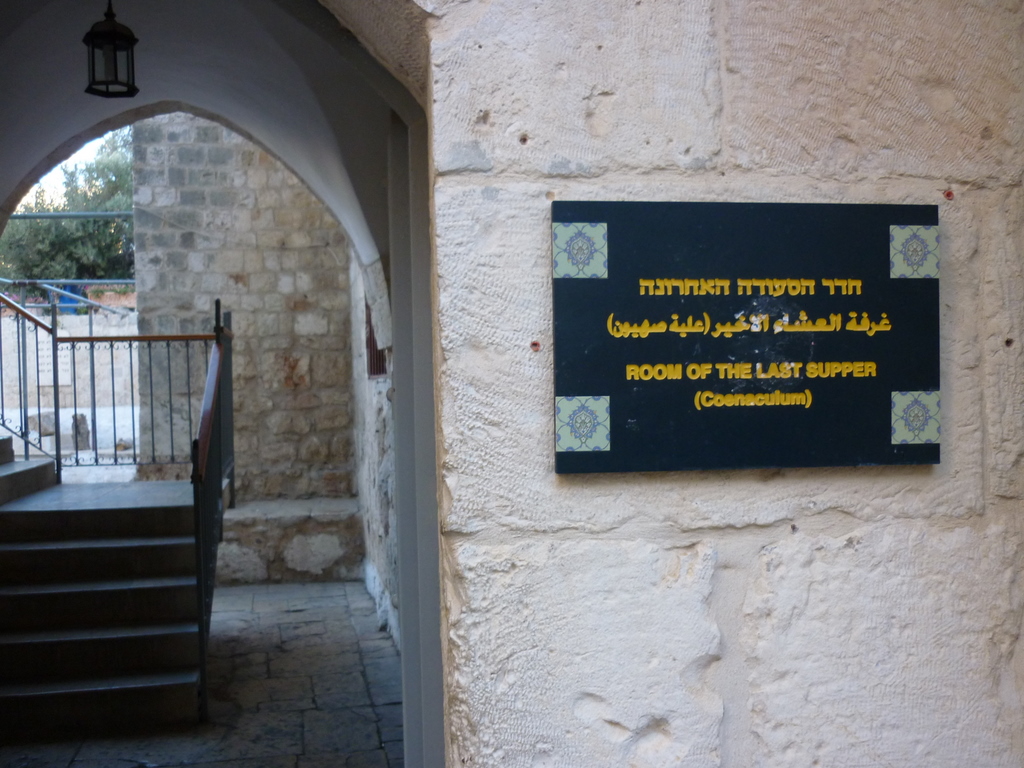
Cenacle / The upper room – Room of the last supper

This was a significant biblical location to stumble upon whilst taking a wander around the old city with my friend Dave from South Africa:

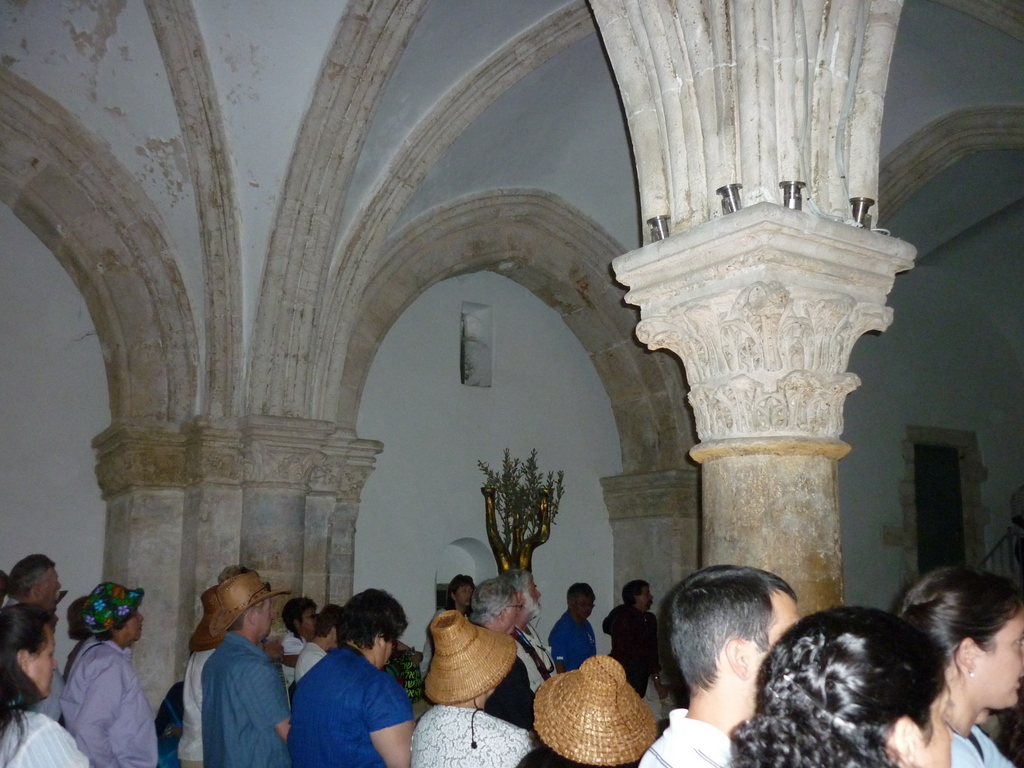
Once up the stairs, it was quite busy with lots of tourists from Nigeria and Korea.  There is not much to explain the Cenacle’s significance here, I did notice this unusual brass tree sculpture in the background, as well the domed ceiling held up by the pillars.   This building’s history can be revealed on this wiki article.

I often try to imagine about Jesus and his disciples having Shabbat together.  I am not sure if they had some middle east food like Humus, couscous, etc, which are common when I get together and eat with people I know here.

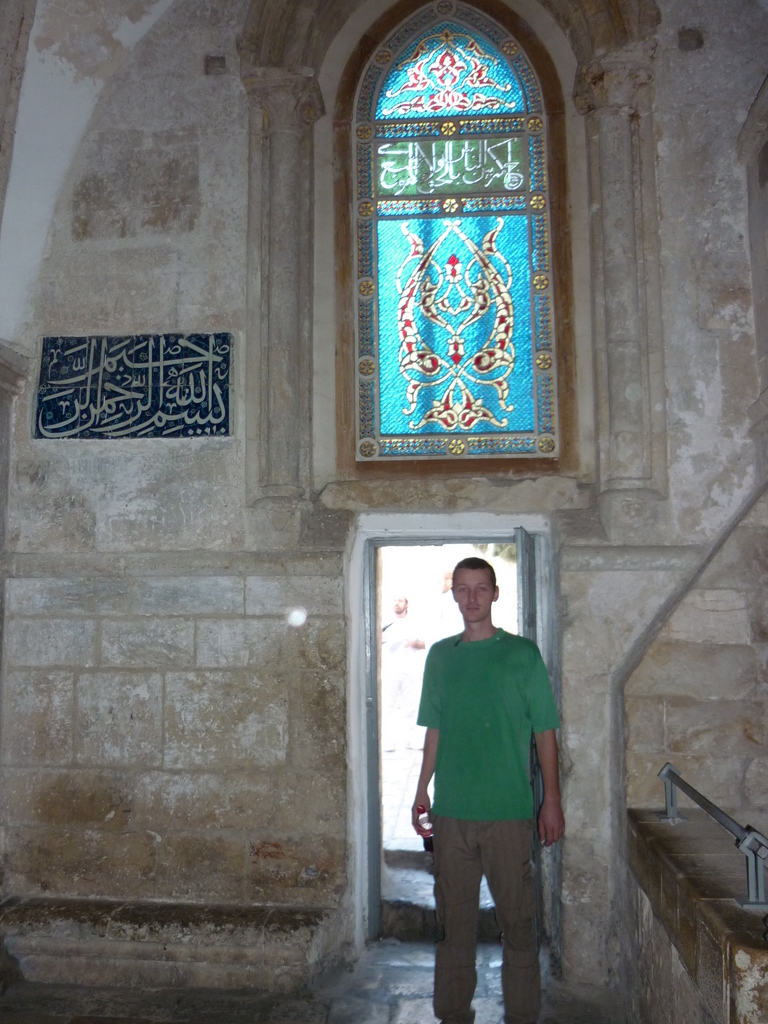
Arabic writing on this building inside.   I guess from the ownership of Jordanian occupied Jerusalem before 1967.

As typically Jerusalem, no two buildings look the same and there is a big maze of steps and walkways that go all around to neighbouring buildings and equally fascinating places from different historical eras.   On this roof, I am standing on a domed concrete thing which actually has a tiny doorway for an emergency stairway, or it could be a service shed for air conditioning or something.  The church in the distance is Armenian.  More from this part of the old city soon.