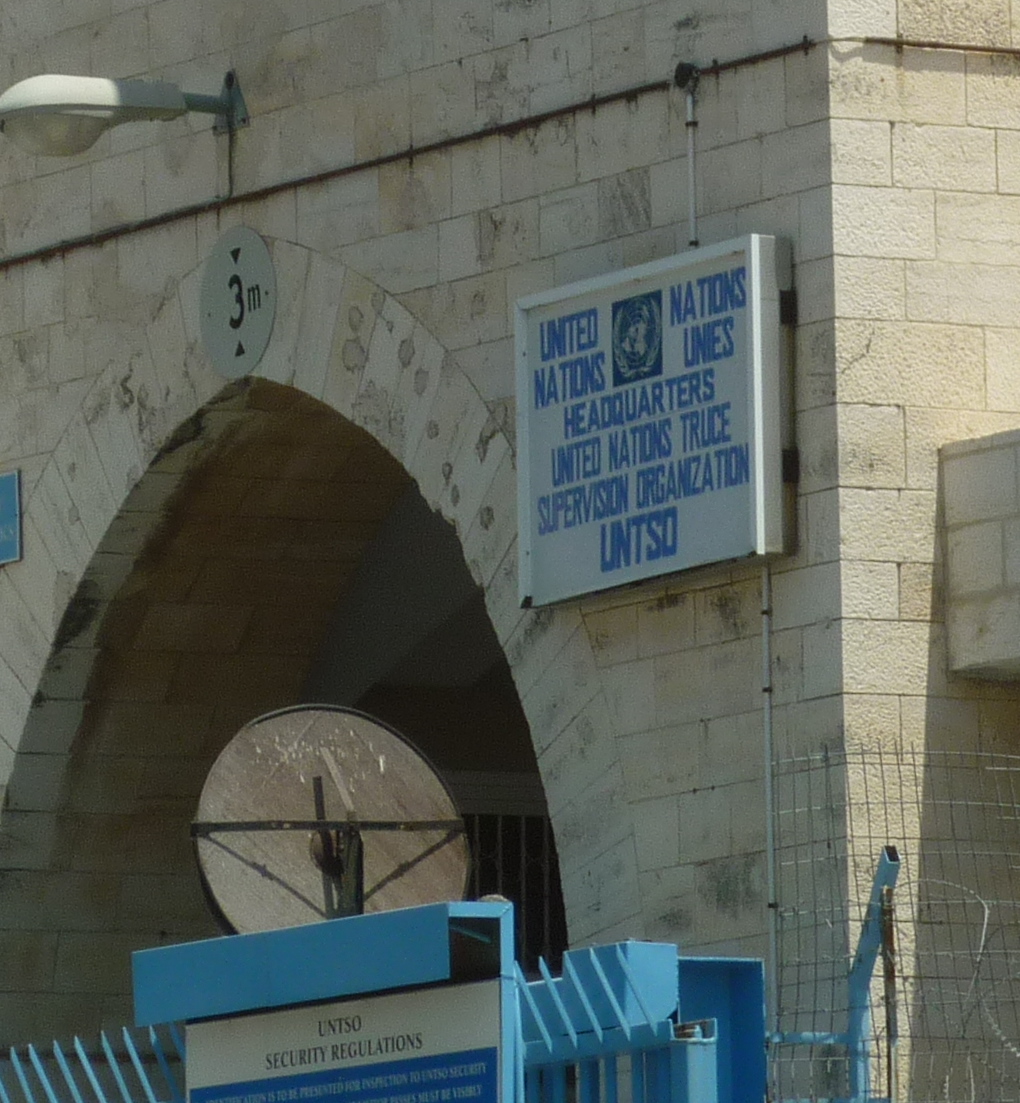
Jerusalem UN Headquaters yard

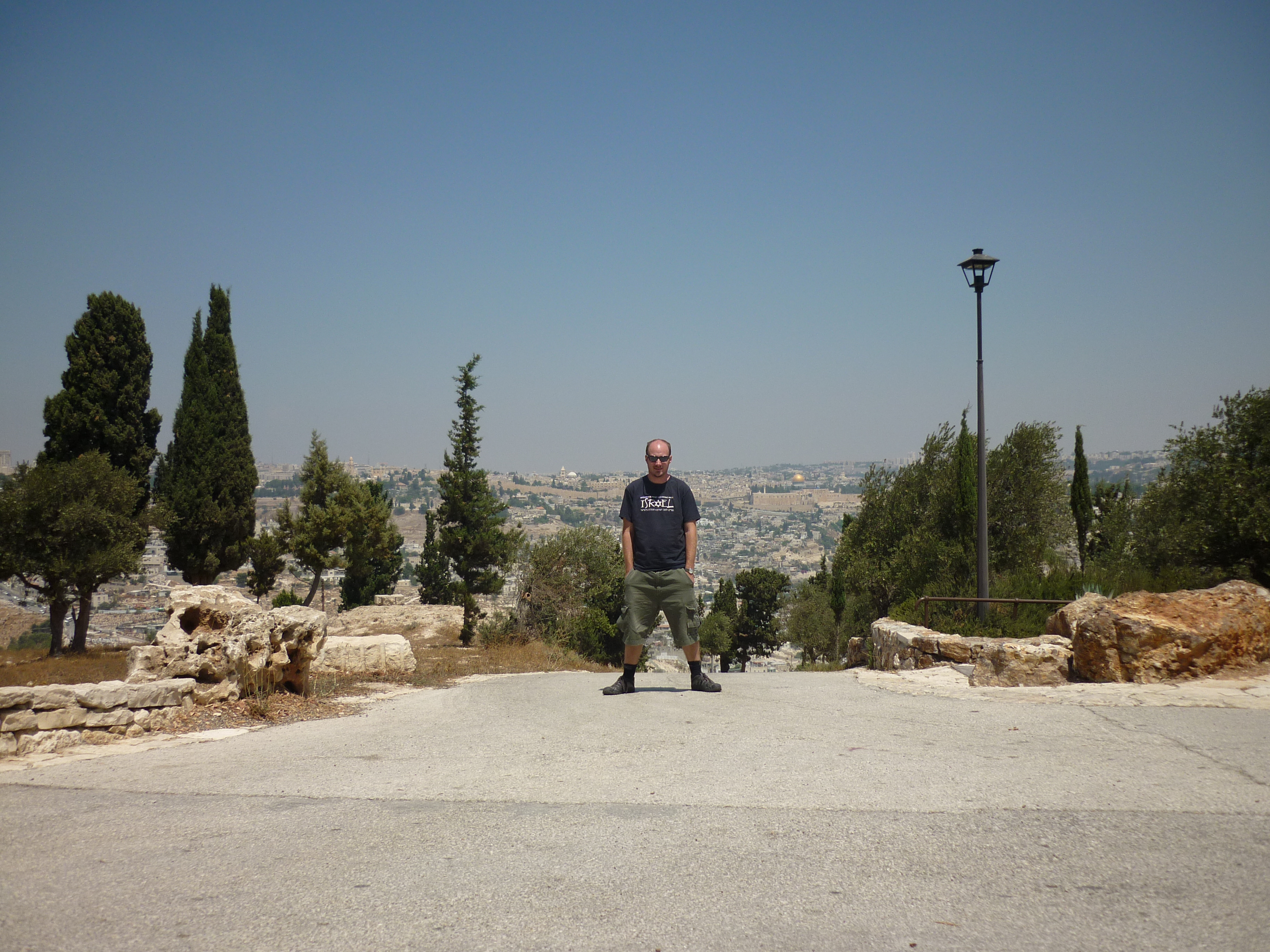
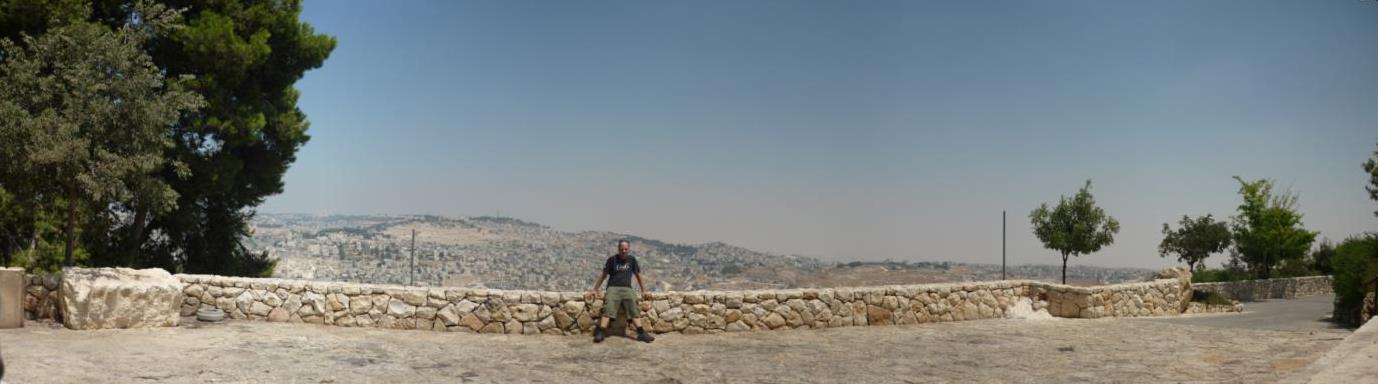
I went walking today around my neighbourhood, across from my street is the Peace Forest or Promenade, that looks over Jerusalem.  Its one of several hills in different directions that look over the city.

From the path behind the building has some nice places for walks.

The building used to be the government offices for the British Mandate of Palestine (what Israel was known as before 1948)

There is  a road upto the security gate which cars have to weave around the blue barrels filled with concrete to stop possible terrorist attacks.

Here are some odd looking metal sheds that look like mini aircraft hangers.

Out the back gets more interesting, seems the UN run their own car scrapyard.   There are about 20-30 abandoned cars here that look like they are not running.   Mostly Toyota 4x4s, that have been crashed, rolled or have bits missing.   Reminds me when I got a bus through part of Los Angeles, I spotted the back of police station full of crashed standard US police model Ford Crown Victorias.  There are also a few recent Volvos and a BMW 7 series which are not damaged but have no licence plates and look very dusty as if they have not been used in months.  There are trucks with low open backs, I guess some of this stuff is mothballed for when there is a war or serious security issue.

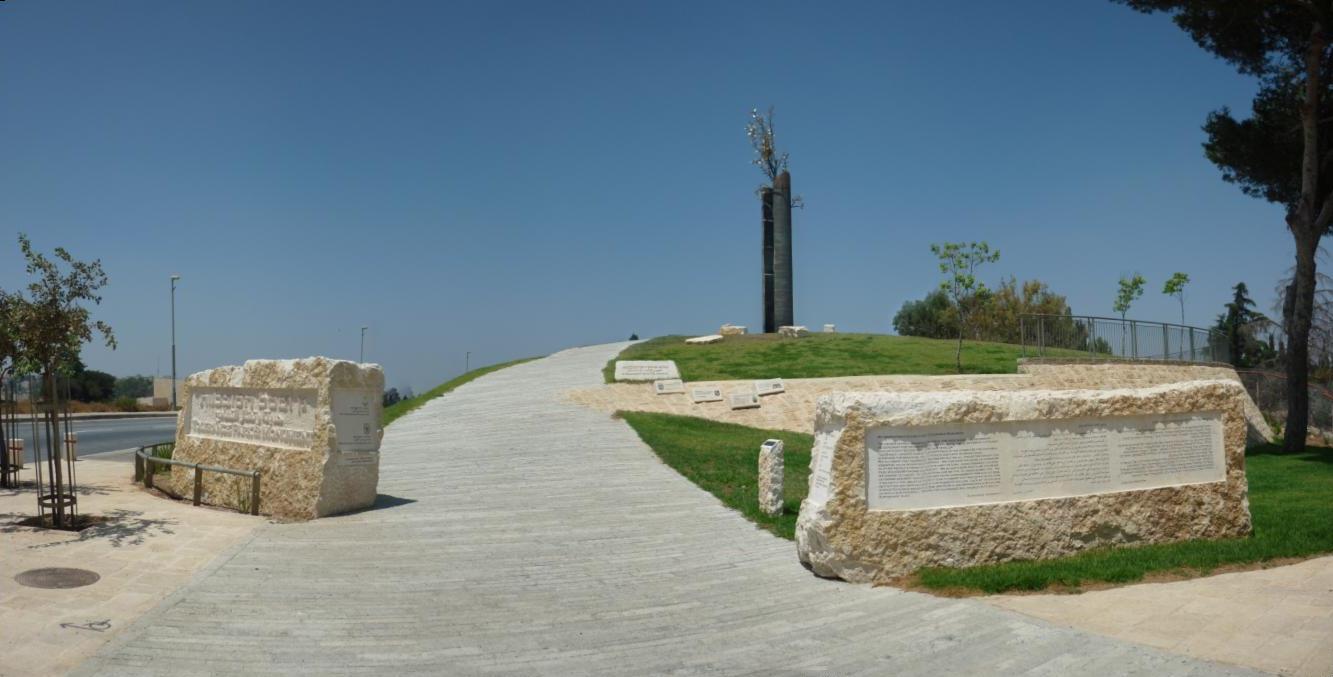
On the side road, there is this monument called the ‘Tolerance monument’ and contains writing in English, Hebrew and Arabic encouraging reconciliation and understanding.   I think these monuments are a nice gesture, but peace will only be fulfilled by the return of the Messiah, Jesus one day.

This is a nice place to go walking around.  The UN’s compound is covered in barbed wires but you can easily see the back from a path outside.  Interesting fact.  I was talking to a chap who works there, who tells me its the cheapest place in Israel to buy Coca Cola (60c) although the prices for the canteen are in US dollars.

Also along the view outside, are these outdoor canopies that gives a bit of nice shade for when you want to take time to admire the view, especially this time of year when the extreme heat can be seriously overwhelming.

Recycled rockets into gifts

Saw these souvenirs for sale a while back, which made me think about my trip to Sderot next to the Gaza Strip, although I have not seen them for sale in any markets in Jerusalem.

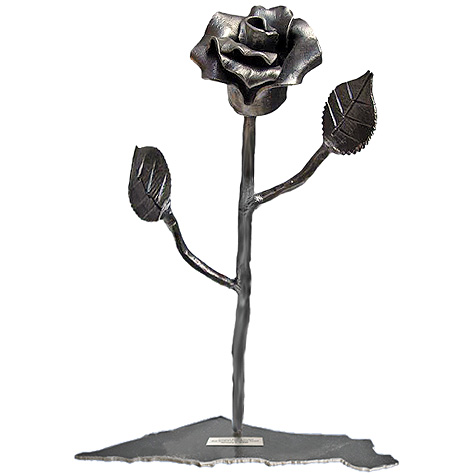
Some enterprising blacksmith from Sderot has taken spent rockets that have come over from Gaza and recycled them into works of art, from flowers to menorahs!!

http://www.thejerusalemgiftshop.com/christian-gifts-home-from-rockets-into-roses-p-1186.html

I was reading this bible passage the other day;

Isaiah 2:4 He will judge between the nations and will settle disputes for many peoples. They will beat their swords into plowshares and their spears into pruning hooks. Nation will not take up sword against nation,nor will they train for war anymore.

Not an exact glimpse of prophecy yet, but as some of these souviners have been given as a gift to the Palestinian Authority seems a really nice idea to convert a tool for death into something worthwhile.

Preparing an old PC to go to local family

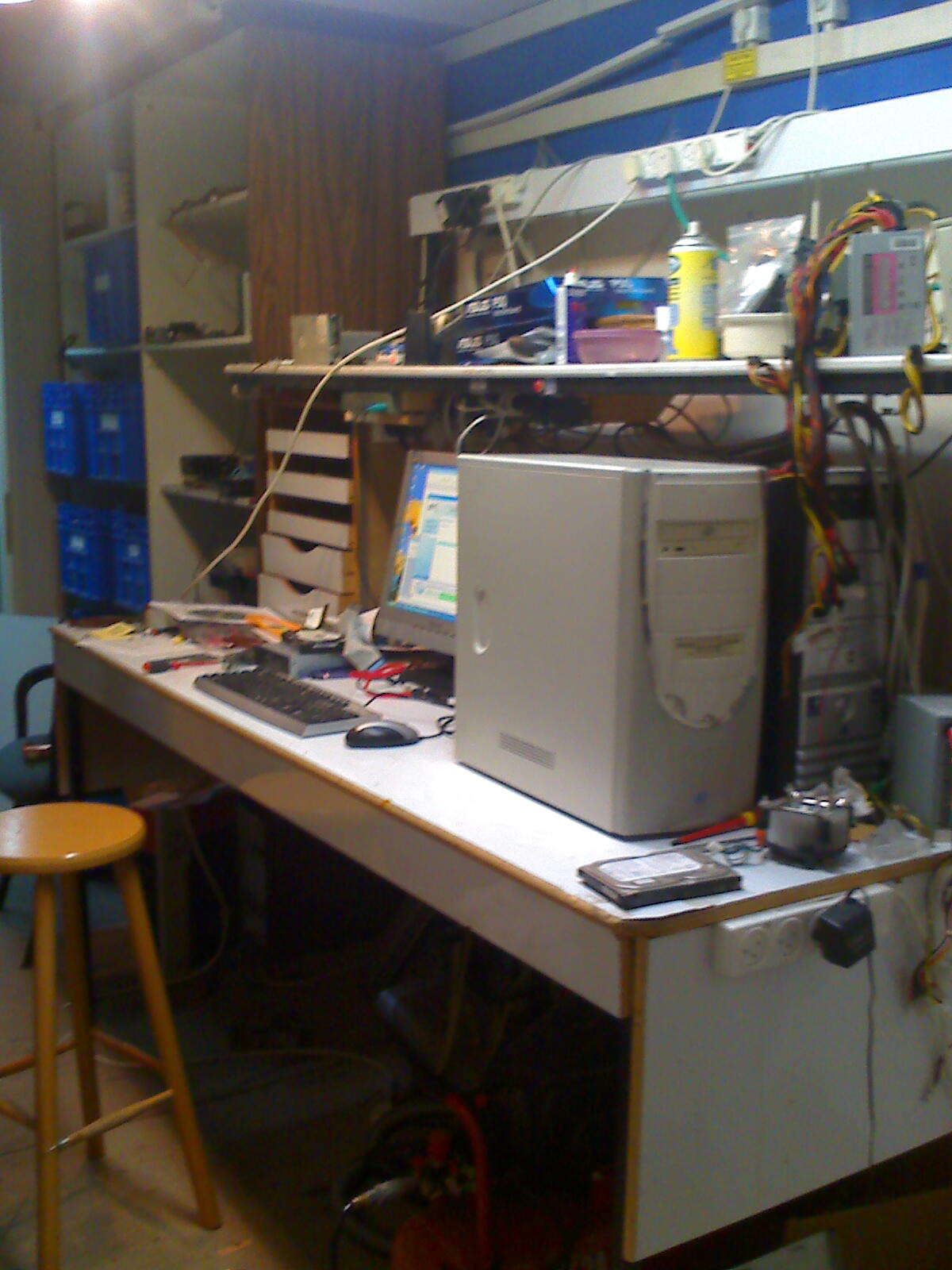
In between looking after systems at work and sometimes staff’s personal computers when I have a quiet day, in my workshop this week is an old Pentium 3 computer that is about 8/9 years old.   It came from our Japanese office (don’t ask how it got here)  and had Japanese Windows XP for our staff from Japan that volunteer here.   These days its never used as we have one computer for volunteers to upload their pictures, go on Facebook and do any personal web browsing and email, we have people from dozens of different countries and they all speak English, including recent Japanese volunteers.   Obviously its not really practical to maintain it, as I don’t speak Japanese, as all the text appears in Kanji text.

This computer only has 1Ghz processor, its old and redundant.   One of my colleagues who deals with food delivery to needy families asked if we had an old computer no longer needed..

When I sometimes have a quiet day, I often fix other volunteer’s personal laptops, and also have fixed a PC that belonged to a local Arab family.

So grabbing it from a dusty corner, I put it on my work bench and tested it out.  Looking through my boxes of spare bits, I now have 1Gb of memory and replaced the CD drive with a dodgy eject mechanism with a LG CD writer.  It doesn’t do DVDs, but another driver could be bought quite cheaply and easily fitted.

I put on a normal installation of English Windows XP Home edition.  There is no Windows licence sticker on it, and I have a spare licence code from another HP PC that had a bad motherboard, as the stickers are not easily removable, I hacksawed a square out of the case with the sticker, and put the rest of it in the bin.  I have saved licence codes from other computers in case someone wants to escape from the ghastly horrors of Windows Vista, I keep a library of CDs of all different versions of Windows XP, and despite XP’s 9 years on the market its easy to customise it to how you want and extra aesthetic features and functionality of Vista and 7 can be copied to some degree.

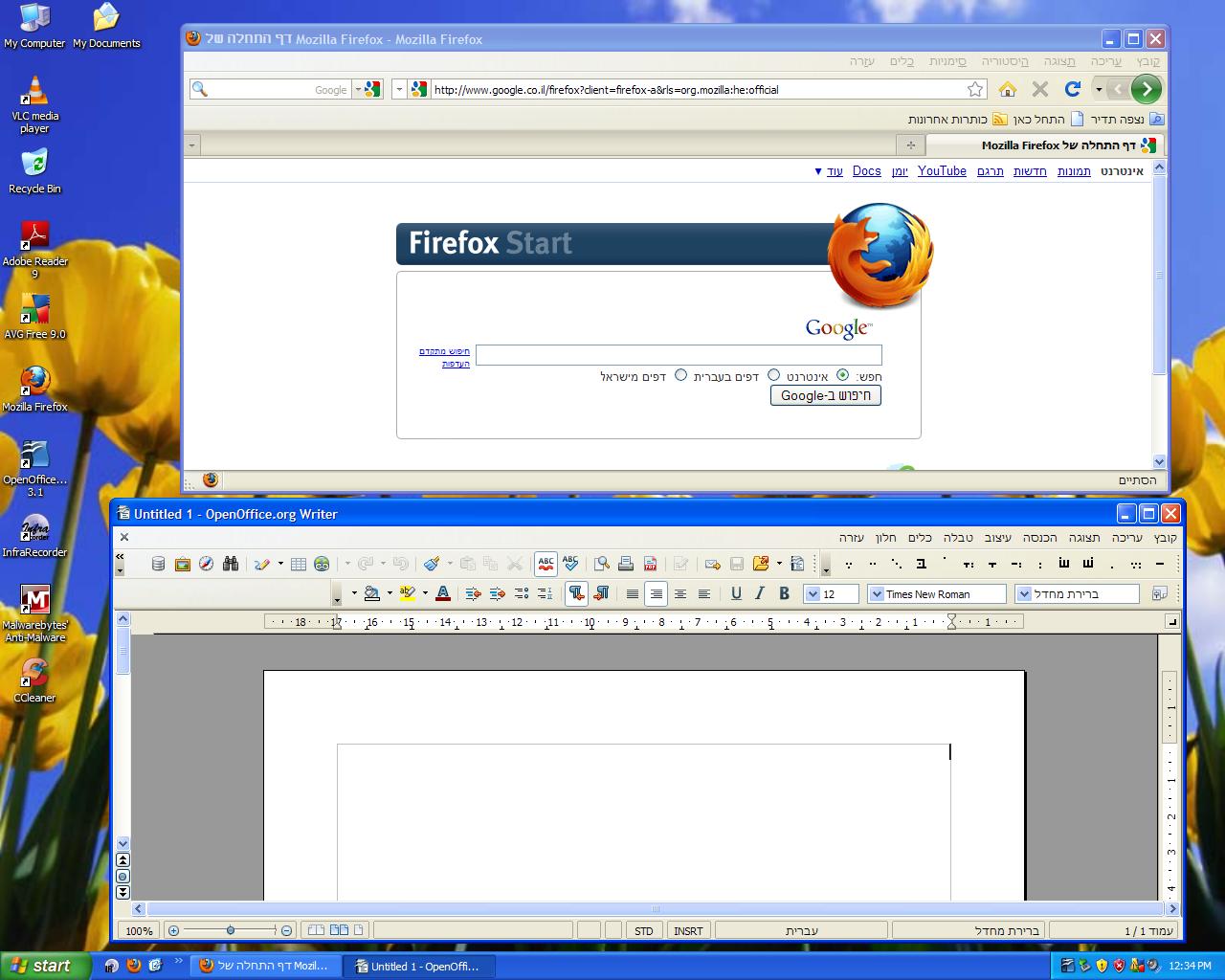
After setting up both English and Hebrew keyboard support and set all the region and language options to Hebrew and Israel.   I downloaded the Hebrew versions of Firefox and Open Office.  You can find all language versions of Firefox here.
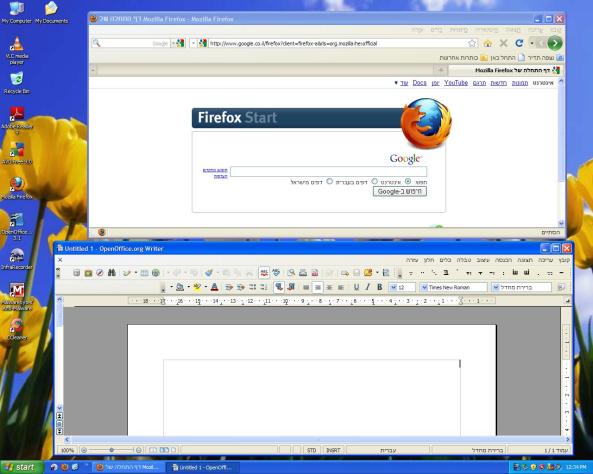
Note, as Hebrew is a right to left language, icons and menus follow the same way.  Interestingly enough Open Office shows these little dots you put under Hebrew symbols, not so much done with modern Hebrew but often used on religious books.   Open Office is a good free alternative to Microsoft Office, as I don’t have a legal free licence I can give away.   For almost all regular writing and spreadsheet requirements this does a perfect job and costs nothing.   You can download it here. Versions for non-English users are here.   The Hebrew version is on a totally separate page here. There are versions for Mac and Linux computers as well.

Here in Israel I like the fact that more things get repaired here, ie: TVs, jewellery, shoes, etc, often this is not always the case of too much hassle to repair something, its a case that there isn’t enough skilled people to do it.   Jewish people seem to always have a knack for repairing and working with small precision objects such as jewellery, watches and such.  Skills that are passed down in generations I guess.

I think its daft in how people call this “recycling” of PCs.   Recycling is normally breaking something down to its component value for parts of for scrap materials.  If I buy a car that 8 years old, its not a recycled car, it just past through several owners, seeing as not everyone can buy goods for the original asking price and have to make do with something older at a fraction of the value.

Also this month I have virtualised an important system, for regulat non-IT folks this just means one computer pretends to be two or more computers having multiple versions of Windows simultaneously.   If the physical hardware breaks, a single file that contains the extra invisible PC can be quickly copied onto a another physical box, meaning less than hour of down time.  This saves our organisation in less hardware needed (One PC freed up for a spare unit for next member of staff)  and also electricity usage.

I replaced missing screws gave the case a clean too.  I have a spare 17″ CRT monitor and keyboard with English, Hebrew and Russian characters and a decent mouse too.  Some more parts scrounged from some cupboards means I have another similar spec system to put together when I have a quiet day some point soon.  Plus I have cleared the workshop of old parts.  Looking forward to going out and handing this over to a family this week as their first ever computer…. 🙂
Guide to volunteering in doing overseas charity work. Part 1.

For Christians or non-Christians alike thinking of doing volunteer work I thought I would put together some ideas if you are thinking of getting out of the conventional work rat race and do something worth while for a bit, whether it be for weeks, months or even years.  For a single person like me its good to get into doing something new and worthwhile, especially as I am in my 30s and all my friends are married, it keeps you positive and focused.

  • Plan in advance to free yourself from any financial ties before you go.  Ideally pay off loans, sell or store your car, get rid of mobile phone contract/DVD rental/gym membership, etc.  Oh, and give enough time to quit renting your house before you go as well.
  • Aim to put together as much money as you can before you go.
  • Be able to promote yourself in what you are doing, speak at your church, get a web site or blog (You don’t have to have technical skills, you can get a template type job like WordPress or Blogger, so you can just do the writing and the site is all hosted for you) I found you have to do a LOT of selling yourself to show people you are serious about going overseas to do something like this.   I find conventional emails of updates often get little response sometimes, mainly because everyone has a lot of email and things get skipped ‘to be read later’ physical printed material is a good plan as well.  Don’t just aim to promote at just your own church, be prepared to speak anywhere and talk to as many people as you can at what you are planning.
  • Get online banking and familiarise yourself with it before you go.   As you know I am an IT sort of person, I would only trust my own or my workplace computer to do banking, and not one in an internet cafe or public computer.  You will want the ability to check your account regularly whilst you are away, as its generally a bit impractical to have family forward your bank statements that could take an age to get to you.  Some countries are more susceptible to fraud, or a legitimate transaction in another countries may be flagged up as suspicious which your bank might freeze your account if it thinks its unusual.
  • Take great care when writing things online on emails etc, to give a positive impression of your particular charity’s aim.
  • Credit cards, if used responsibly they come in handy for buying stuff without fees which you commonly get when using debt cards or ATM machines in other countries.  Most credit cards have freebies or incentives for you to join up or earn credits towards a flight or something.   Of course if ordered through cashback sites like topcashback, you can even get a nice bit of cash given to you as well which is nice.    Don’t forget credit card applications insist you are in full time in employment, so this should be done before you quit your job.  If you are a UK resident check out this article I wrote which explains how you could earn you some extra dosh.  Travel insurance companies also can be found on these sorts of sites.   Top cashback is also great for fans of ebay, lots of online music/DVD retailers like HMV and Play.com amongst hundreds of businesses are on there.
  • Get Skype, best way to call long distance.  Most laptops have a microphone hidden in the palm rest so you can just talk straight into it often without a headset.
  • Having an extra language is not essential but can be very useful.
  • Have a mobile phone that is unlocked to any network so you can get a SIM card put in it, again you may find a phone new cheaper before you go away, or just have a spare one not being used.
  • If you bring your own laptop, aim to make back ups of photos and important things onto bank CDs or DVDs, they are cheap and easily mailed home.   Or upload onto a free hosting site like Picasa or Microsoft’s Skydrive (all of these are free)   These don’t use up valuable luggage space.  A common type USB hard disk is ok, but hard disks can still break or get lost or stolen, so they shouldn’t be your sole source of important files.
  • Take electrical adapters necessary for your required country.   Laptops don’t need to have their voltage changed, the always work on anything between 110-240 volts.   Everything else won’t though, so it might be best to leave that hairdryer at home and get one in your chose country 🙂   In general:- Europe/Middle East/Australia = 220 or 240 volts.   US/Canada/Asia = 110 volts.
  • If you do some research in where to ride safely, a bicycle is a fun way to get around, an investment with mostly tiny running costs and saves a lot of money in bus and taxi fares.
  • Avoid wearing Tshirts with something political on them.  I have a bright yellow Tel Aviv basketball club shirt although it still occasionally gets me funny looks as there’s is a little bit (very minor) of rivalry between Tel Avivians and Jerusalemites. 🙂
  • Do bring Tshirts and other things that from your own country or favourite music etc, as these are good conversation pieces, especially when you make friends with people all over the world.
  • Work out what parts of town are not safe and figure out how to get home by bus or taxi.
  • When packing your case, you have to aim to be less than 20kg if you don’t want to pay nasty surprise charges to the airline, and its possible the security departments will want to look at absolutely everything in there of course.   A decent solid case with wheels makes life a lot easier to get around of course.
  • Get a new pair of trainers (Sneakers to Americans) before you go, if you like me you wear out your shoes a lot as you may pay more for new shoes than you would in your home country.
  • Hot countries require you drink a lot of water, make sure you always carry some, half a day outside means you need at the very least 2 litres of water.  You should certainly have some even when outside for half an hour.
  • When you are planning to finish volunteering bear in mind that December and January can be pretty quiet when looking for jobs.

Hope this helpful, I would be happy to give personal help to anyone with questions.

I will add a part two to this with with some more things soon, more specific to Israel.


A glimpse of Israel’s brief car industry

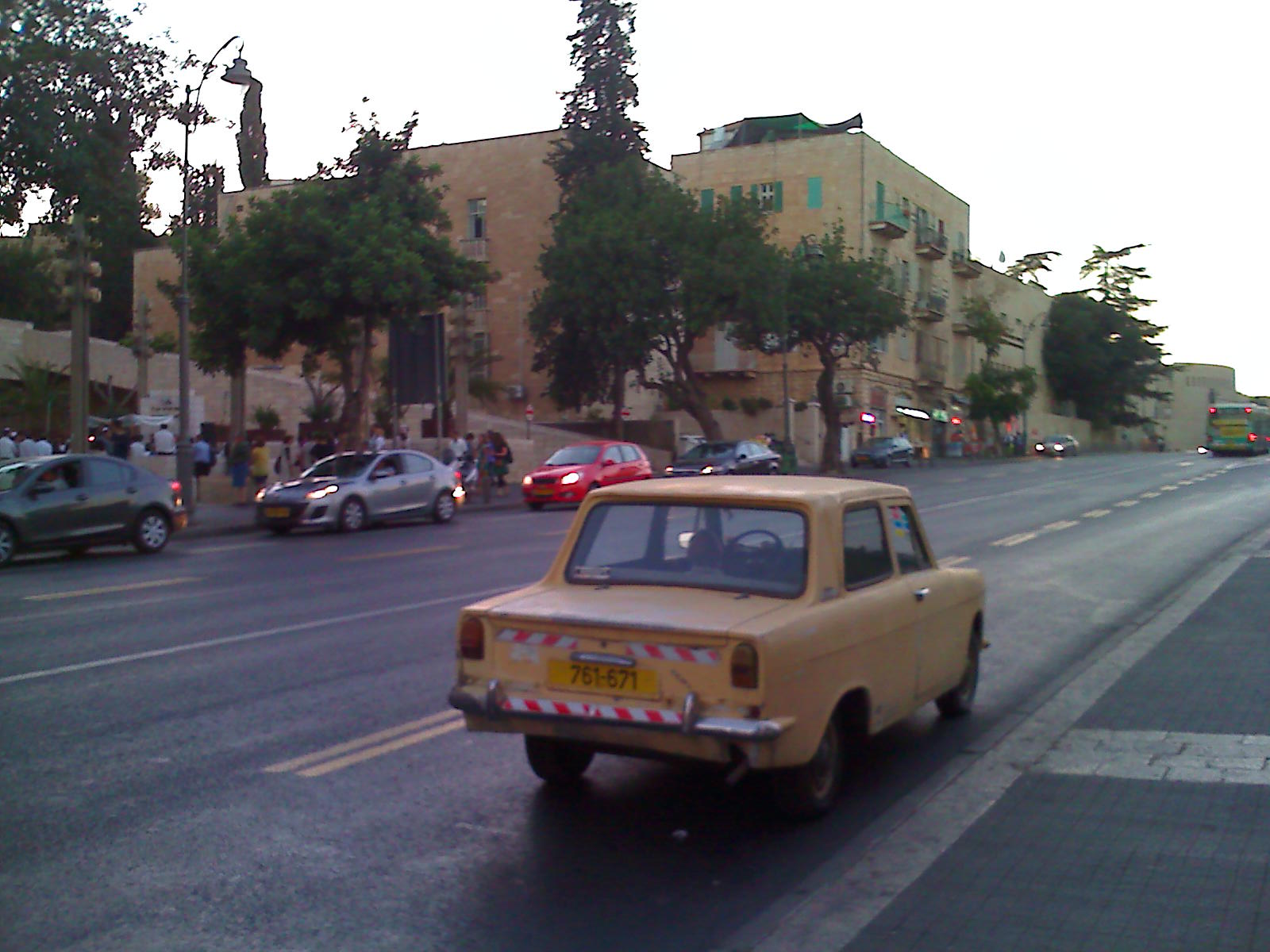
Saw this ancient possibly Eastern European looking automobile at the weekend.

Appears have a fibreglass body, not a particularly pretty car, but noticed the chrome badge on the back looked like Hebrew.

There was elderly gent sitting in the car asleep and it was parked in a rather dangerous part of King George Street, a busy main road.

Like a lot of other Mediterranean and Middle East countries, there are quite a few ancient cars around especially old Fiats, unlike a rainy country, rust seems to be less of a problem.

This wiki article on the Sabra / Autocars business of Haifa is worth a read.  Seems these cars were nothing special and were not able to keep up with more established makers.

Nowadays a small number of military vehicles are built in Israel are still made today.

Computers translate ancient extinct Ugaritic semitic language

Read this recently.  Some people had used software to read some biblical extinct language.   Seems pretty exciting even if there is no explanation yet given.

http://news.nationalgeographic.com/news/2010/07/100719-science-technology-computers-lost-languages-translate-bible-hebrew/?source=link_fb07192010c

Jerusalem Segway tours

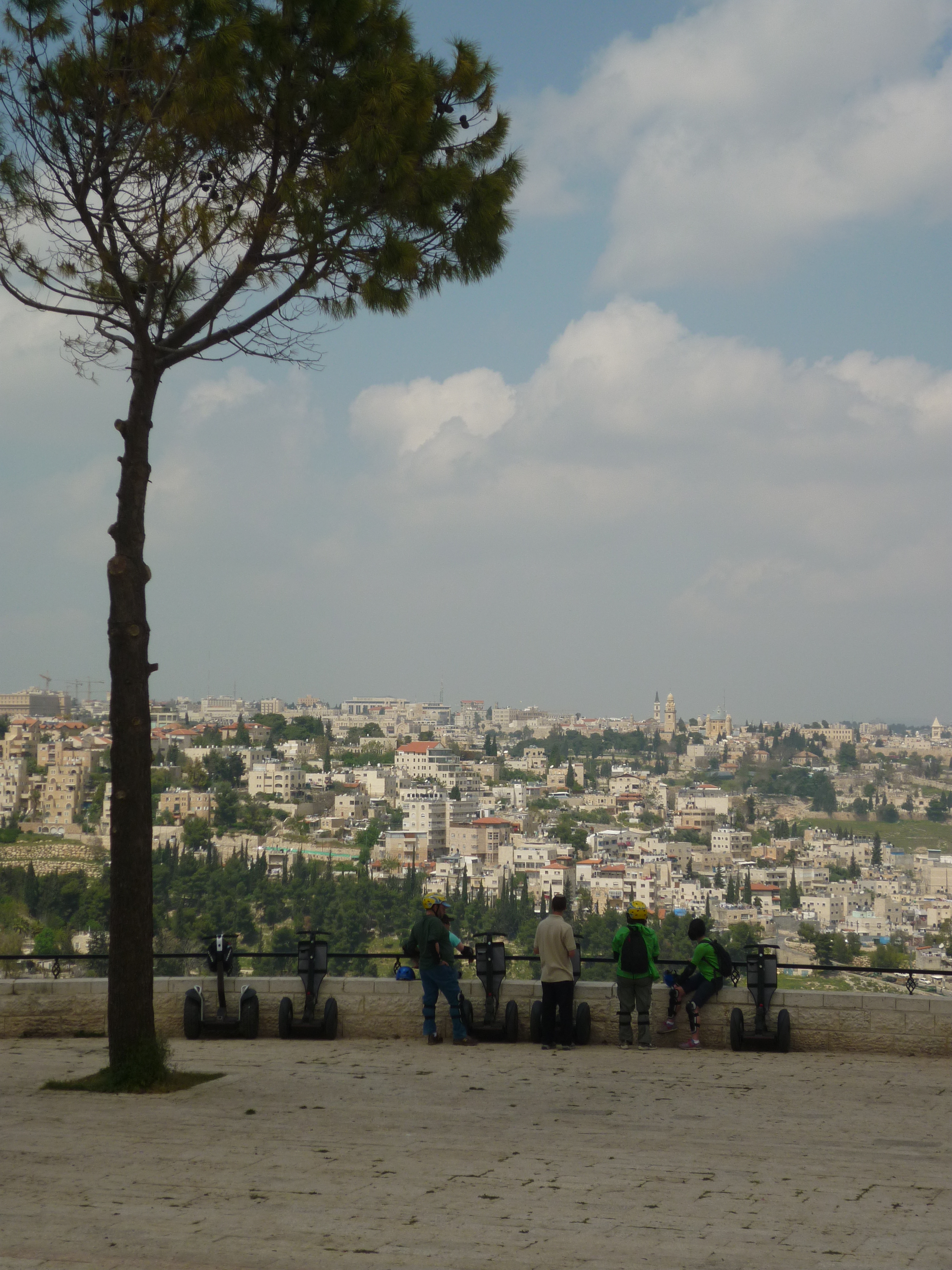
Something funny I see sometimes on the promenade of the Peace Forest about 1km from my house.

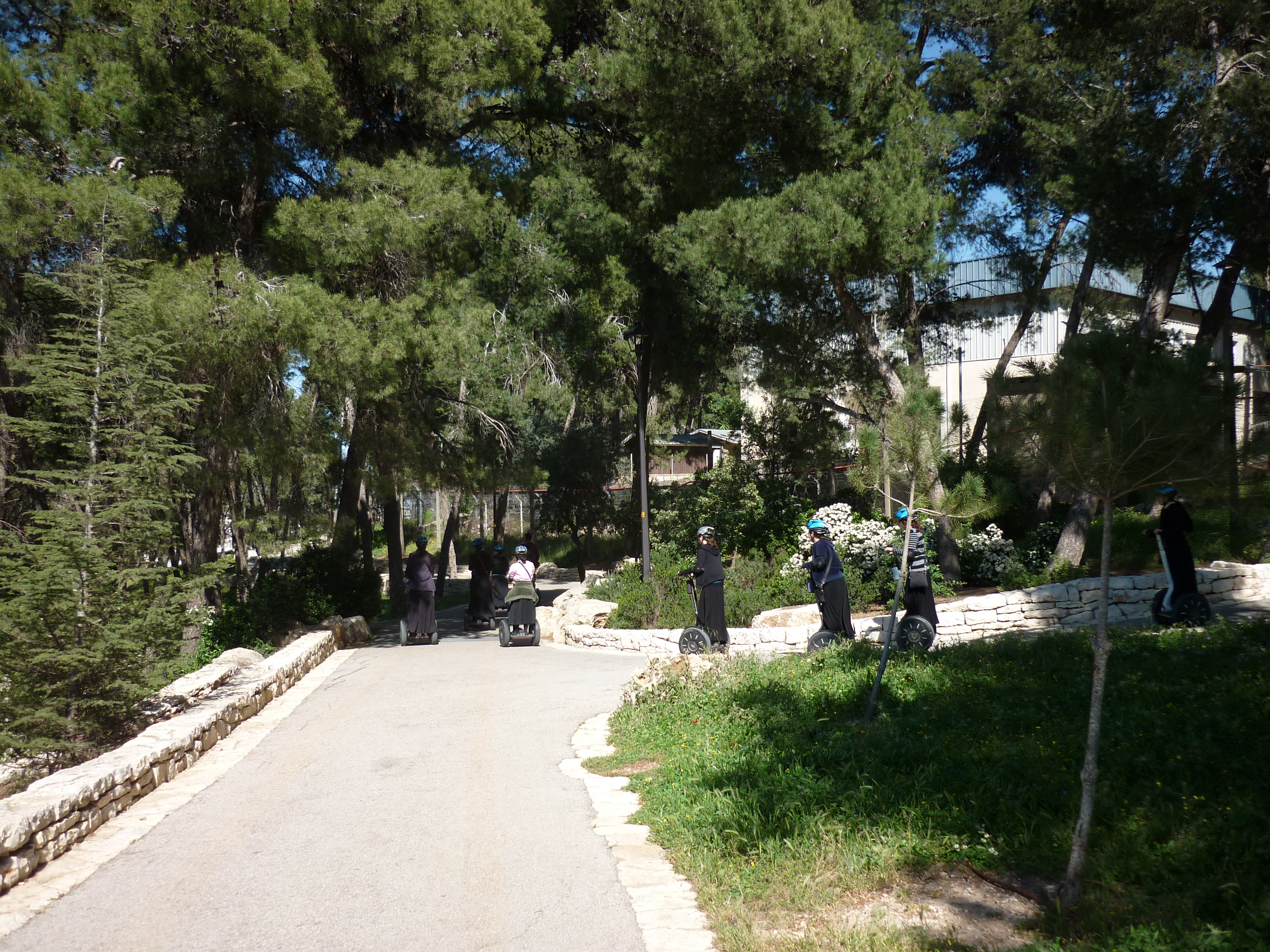
People doing tours of Jerusalem on Segways. These funny looking upright two wheel scooters can be rented on organised tours which let you whizz about in convoy around the outer parts of the city.    I have always wondered how these things work, staff at Disney world have them and so do some police forces around the world, you balance on two wheels only as there are some gyroscopes and nifty electronics that keep you perfectly upright, steering and changing speed by the rider is done but just tilting the handlebars forward or back and left and right.

Riders on these tours have helmets and wear pads on their knees.   Remains to be seen if you get a Segway (I think they are extremely expensive)  if the tyres can be changed over between road use or more rougher terrains.  Looks fun though.

www.segway-jerusalem.co.il

Dead Sea Odyssey 422 metres below sea level – 4: Ein Gedi springs

( 1 )( 2 )( 3 )( 4 ) – more soon….

Ein Gedi is an interesting phenomenon, its a little oasis just on the other side of main road from the Dead Sea.

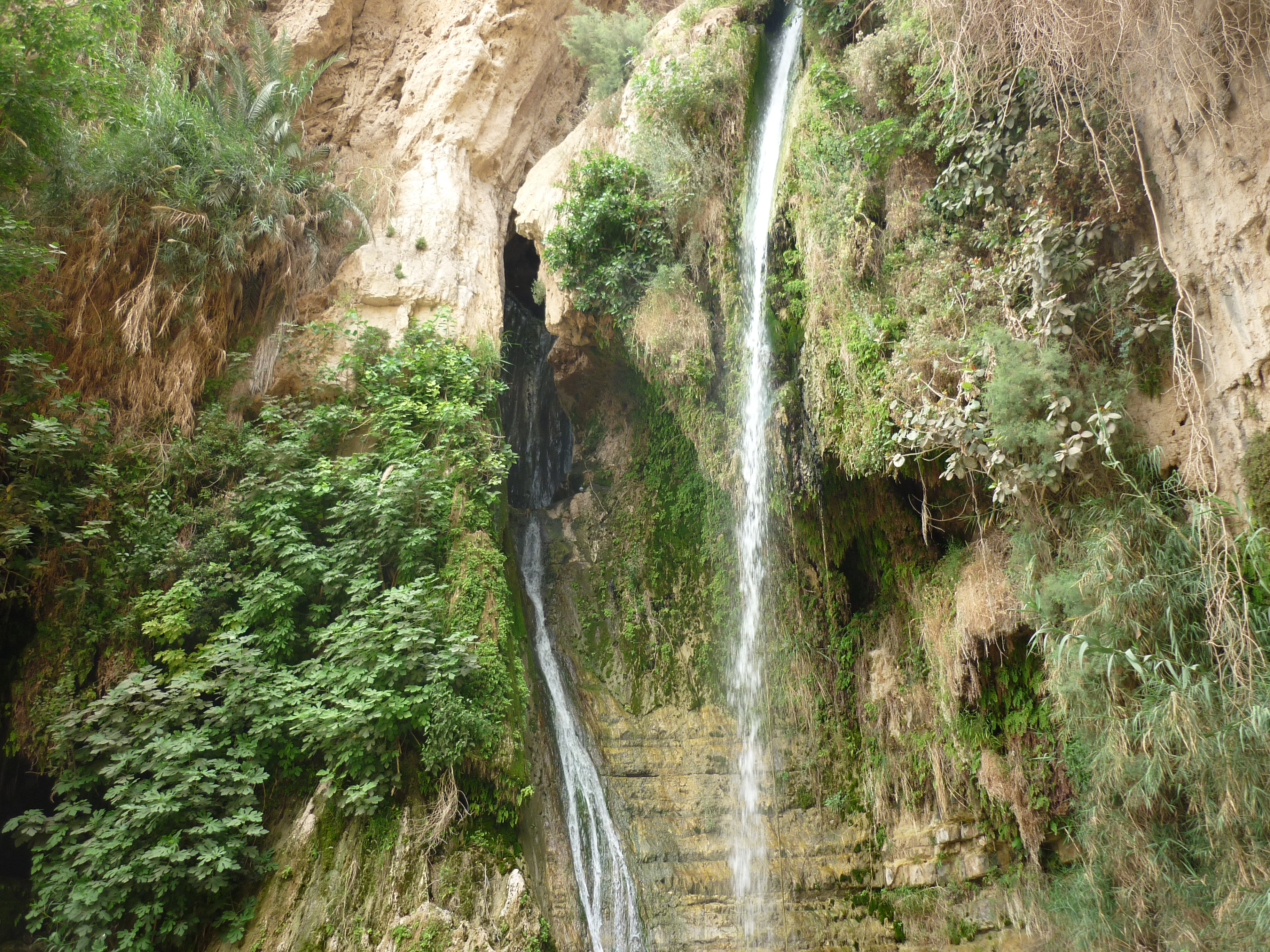
Its odd that a body of water completely sterile of life has a stunningly attractive beauty spot a few hundred metres away.  Here at Ein Gedi you walk along twisty paths around large boulders and streams, see unusual animals not seen in Europe, and follow your way around streams that twist around rocks and paths up to a big waterfall.  Ein Gedi served as a water source during biblical times.  Joshua 15 : 62 and 1 Samuel 24 : 1-2 feature this place.  The Bible  records that 3,000 years ago hid from King Saul at Ein Gedi. When David surprised the King and spared his life after finding him unarmed, Saul said David would succeed him on the throne.

Not far from Ein Gedi, is Qumran one of the most significant archaeological sites here in Israel as the Dead Sea Scrolls were found.

There are more unusual animals, in this case its these little critters, Rock Badgers,  officially called Hyrax, large rodents that seems to dwell around mountainous places with sources of water.

When I came here before in 2006, some people on the tour chose to get baptised here.  Often the river Jordan is the main choice for that amongst Christian pilgrims here, but Ein Gedi is just as good. 🙂

( 1 )( 2 )( 3 )( 4 ) – more soon….

Power cut in Talpiyot

On wednesday when working at our food bank warehouse in Talpiyot we had a power cut.

Quite sudden, I was working on setting up a server on my work bench which suddenly went off.  It wasn’t running anything important.  A repeated beeping came on from the various UPS (battery back up) units around the building.   One of them I rebuilt myself as the batteries were old and no longer functioning, each of the cells has a life span of 3 years or so.   I am glad I did now.

With multiple circuits around the building, with the sockets labeled for computer use, it seems everything went to plan, apart from the lights going off in my workshop (one of the only rooms with no natural light)  and the video intercom system on the front door.  I had to manually power down the servers and tell everyone to quickly save their work and shut down their PCs.  Meanwhile our giant walk in freezer had its own battery system, so no food that was to be supplied to the poor got spoiled.

After the utility company was called, we were told there could be a wait of 2 hours.  I think the power outage ran for about 45 minutes, this meant the electric water heater built into a water bottle dispenser was still hot enough to get two cups of tea each.   Once the power came back on, I manually powered on four PCs in my workshop and the two servers and all seems to be fine.    Oddly enough, some switches and routers were still blinking away protected with a shoebox sized UPS but we had no internet connection, although I could ping our router.  It seems during the hotter months, more people have their air conditioning on and the electricity supplier may not be able to cope.   It seems all companies I have seen in Israel all have UPSes on PCs and critical equipment, often see them underneath a cash register in a shop.   If this sounds like a big concern, now that I have been here a year, this is the first time I have seen a power cut at one of our offices.

I want to look at means of monitoring our bigger UPS units remotely, we have some APC and some lesser brand units, so I can see sources of problems from my main desk.

The modern Shepherd

Found these pictures from last year.

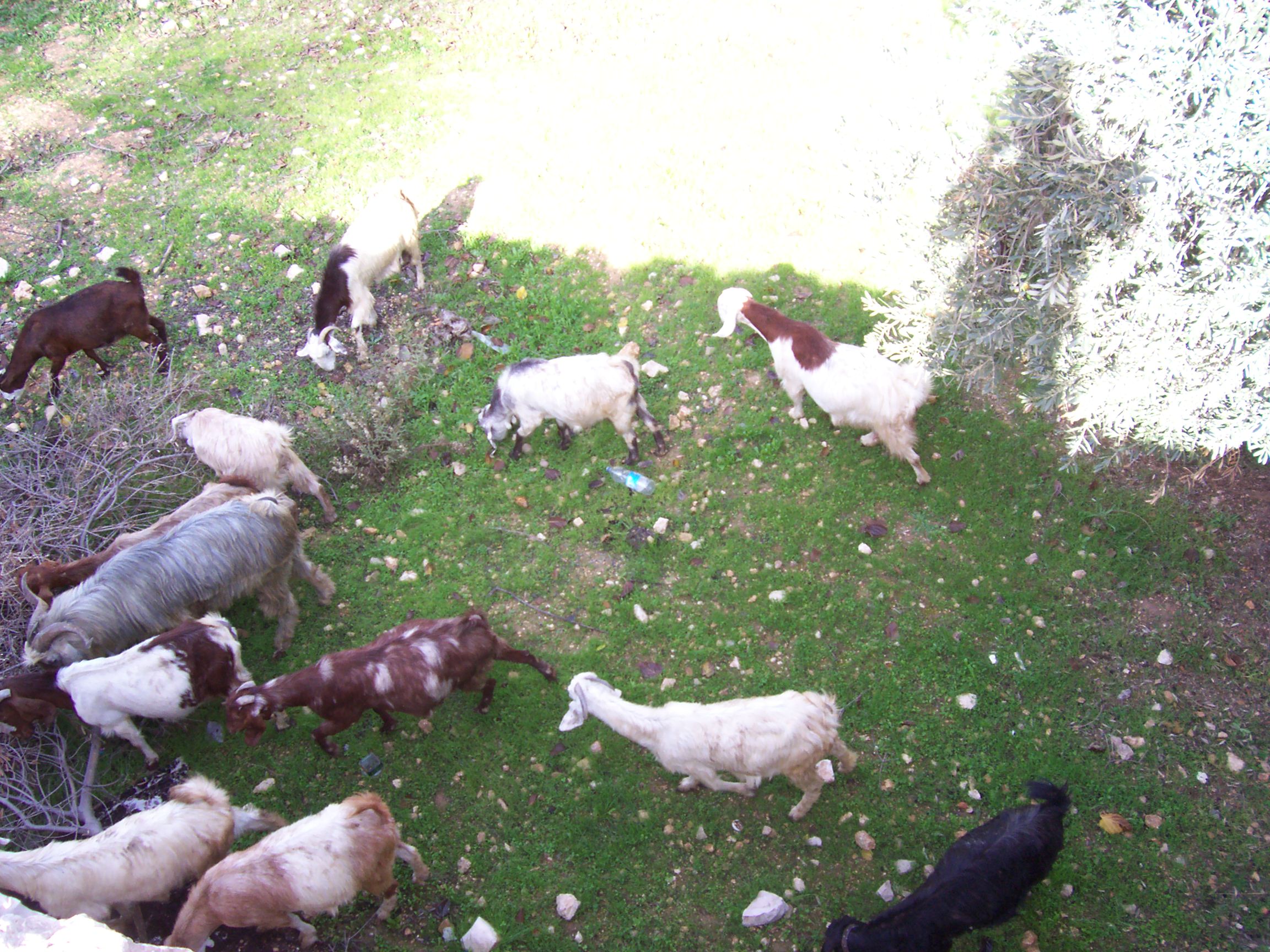
This was a nice way of a glimpse of something around in biblical times that hasn’t changed much today.

I got a glimpse of a shepherd and his flock of goats just off a main road towards the Arab part of the city.  A good way of visualising life like by Yeshua (Jesus) himself.  Especially with the backdrop of hills in every direction, rocky desert like ground with olive trees and white stone buildings.

Here after getting some pictures, the Shepherd asked if I had some money as a token in getting pictures of his flock, I pulled out about 3 shekels, but he said in a mixture of basic English and hand gestures he was wanting 10 shekels to get some cigarettes.   This was a young Arab man of about 20.

I think today’s shepherds mostly tend to be Arab Bedouins in open spaces often seen on the side of highways living in tents.